



Your Custom Text Here
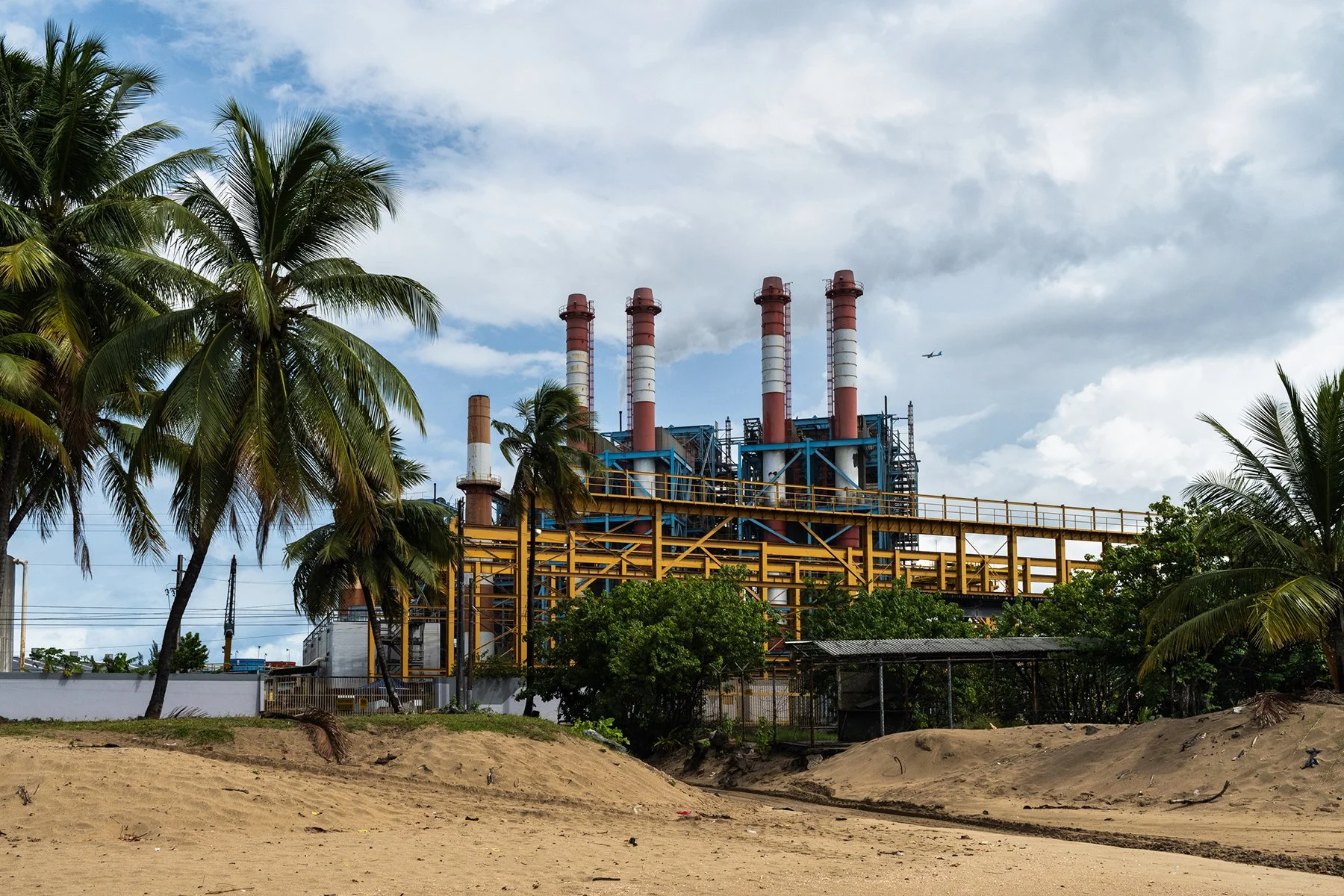
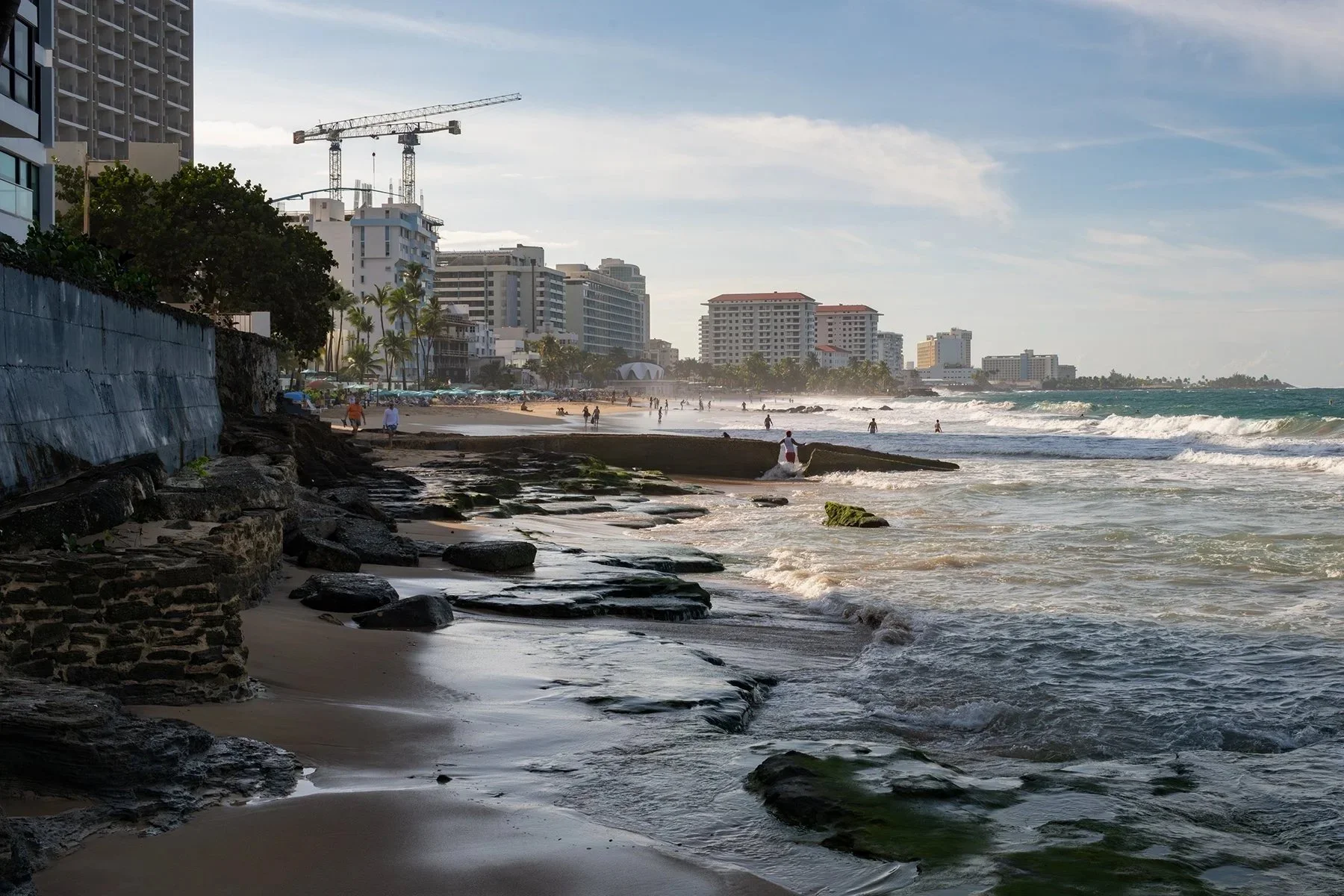
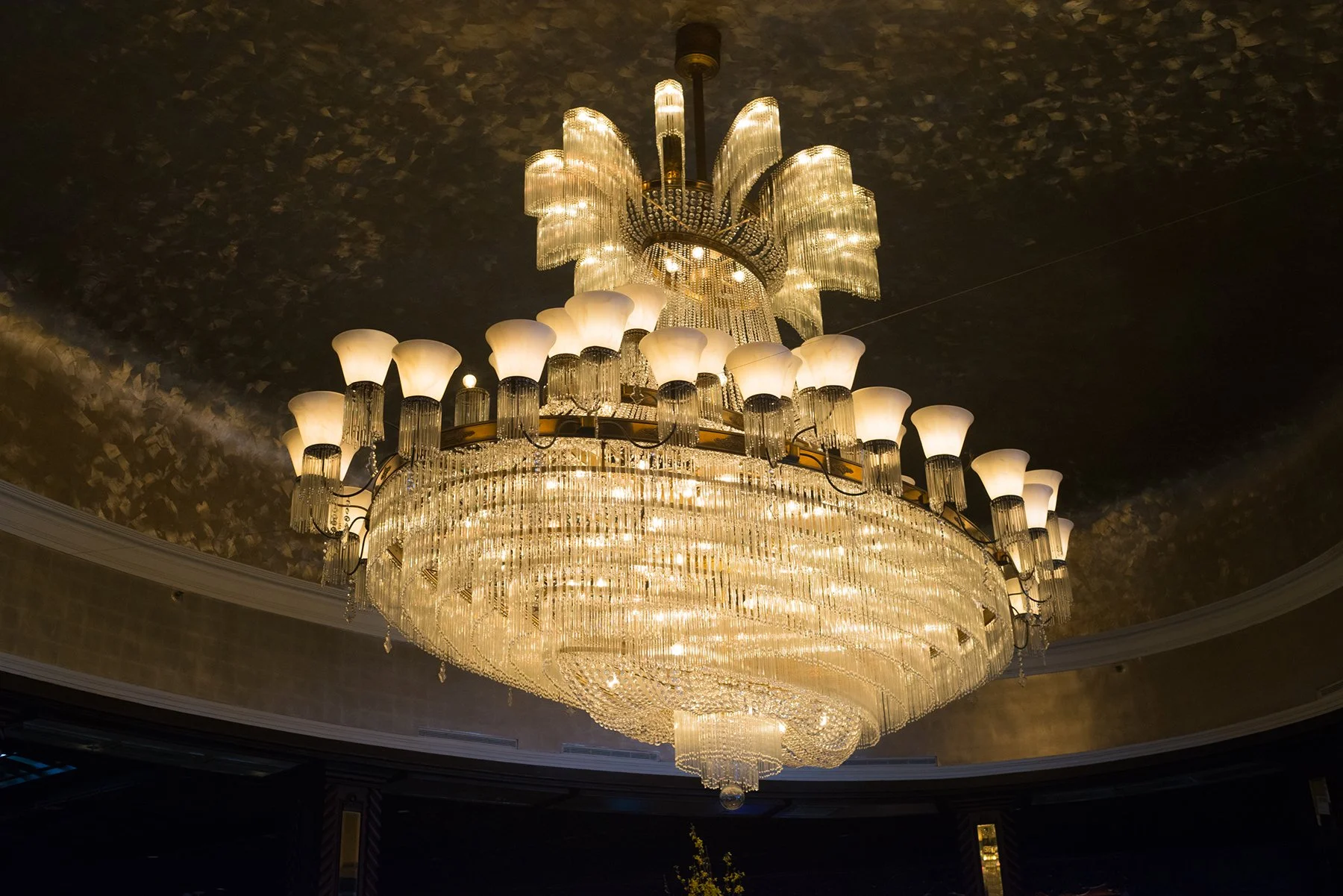
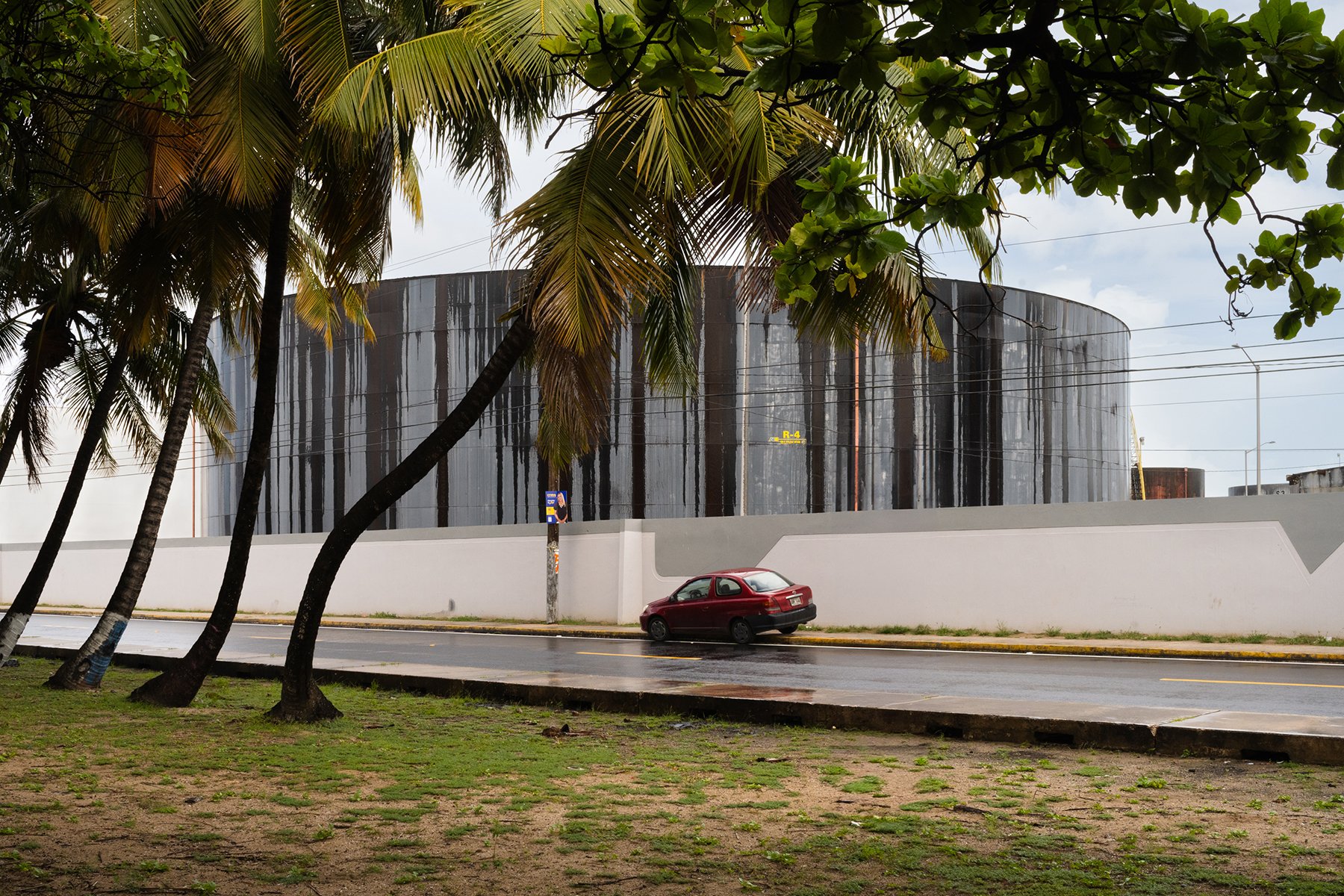
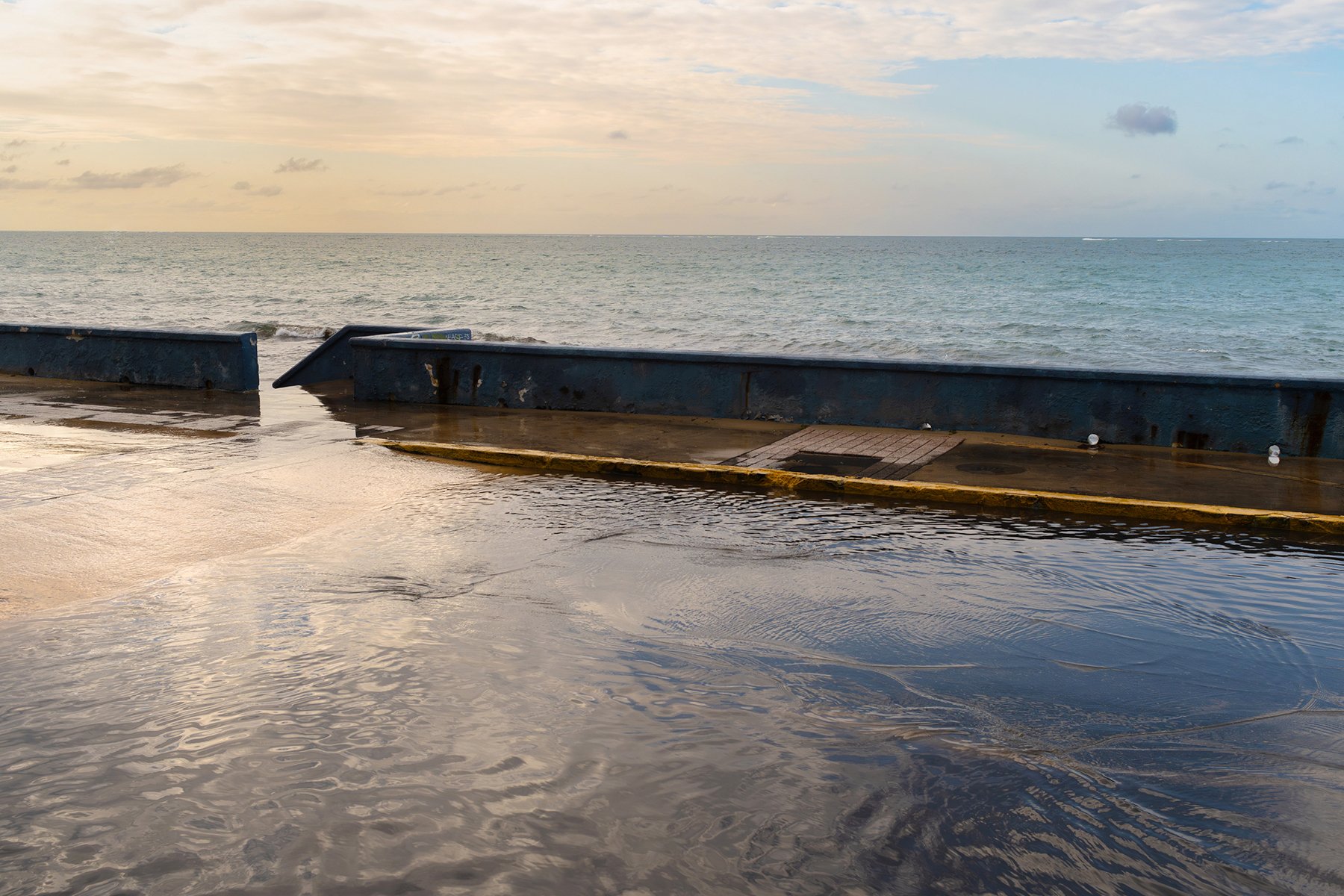
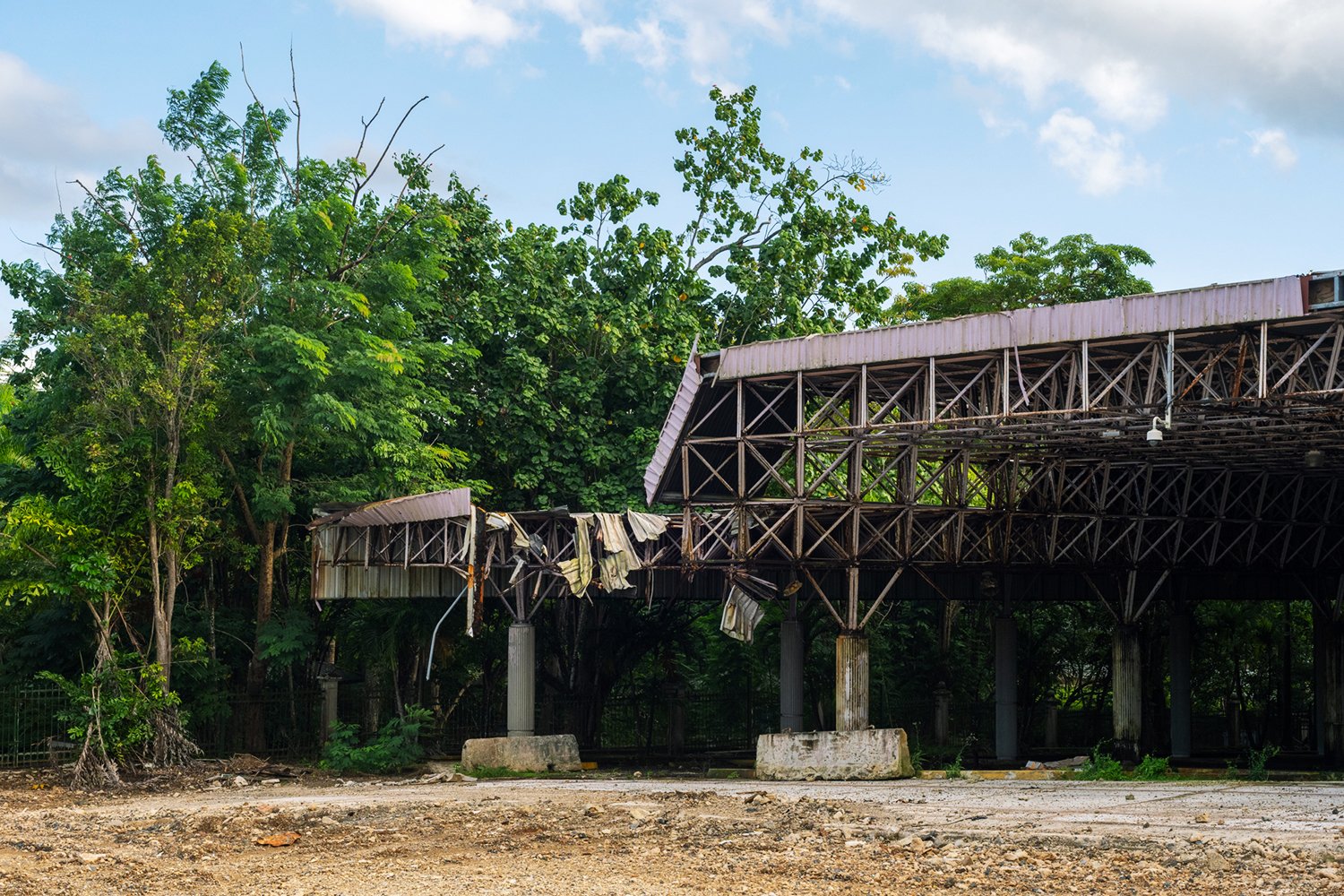
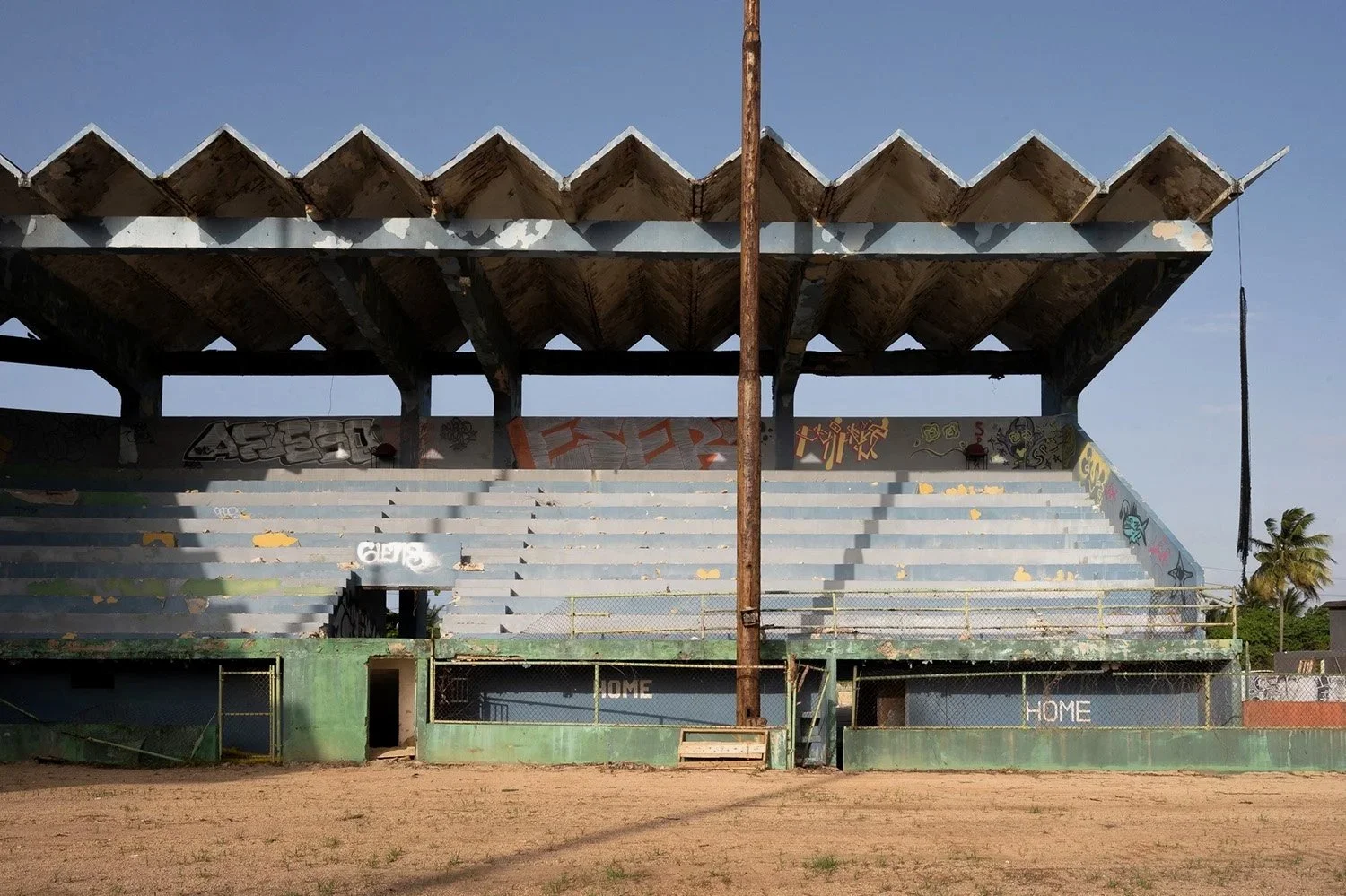
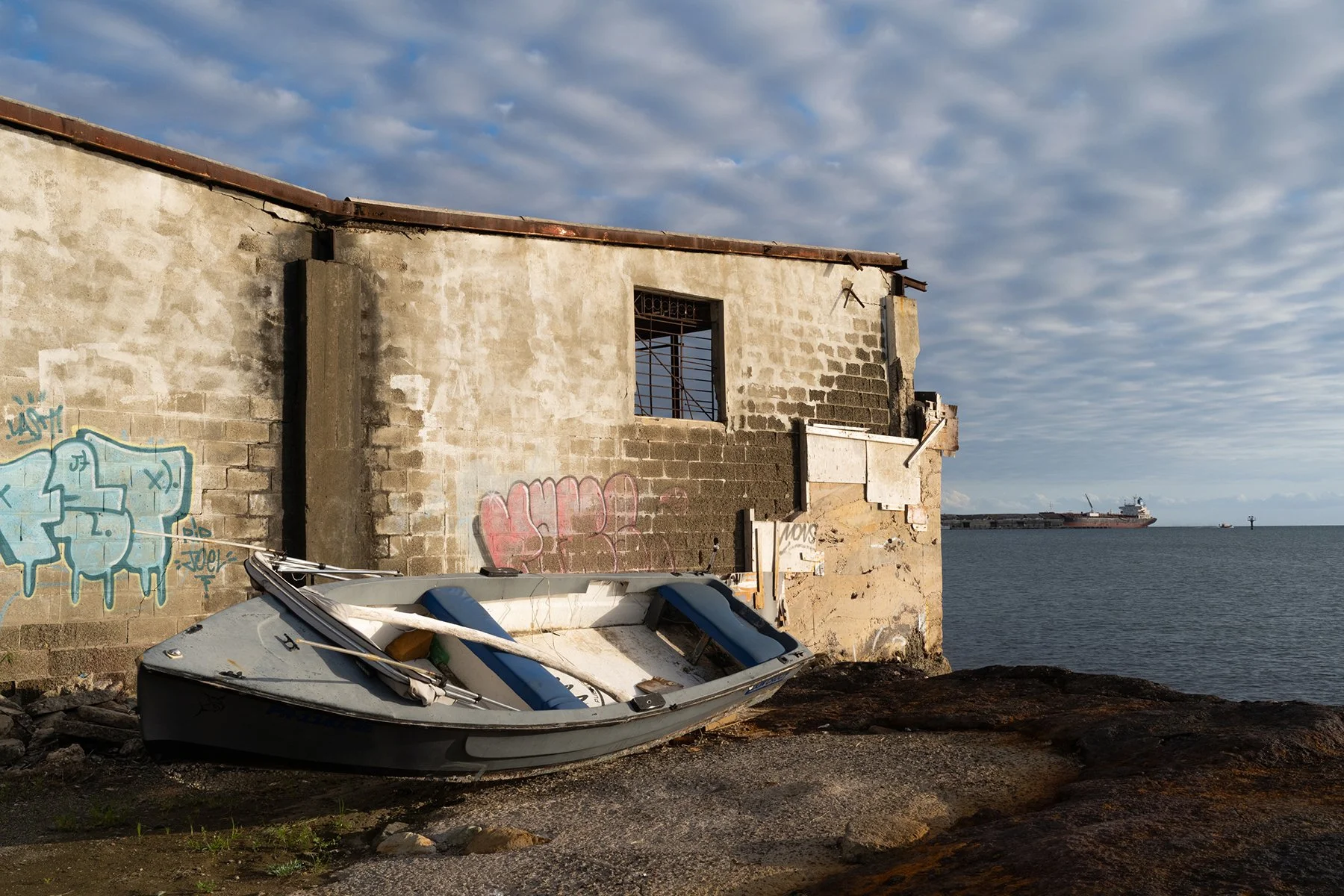
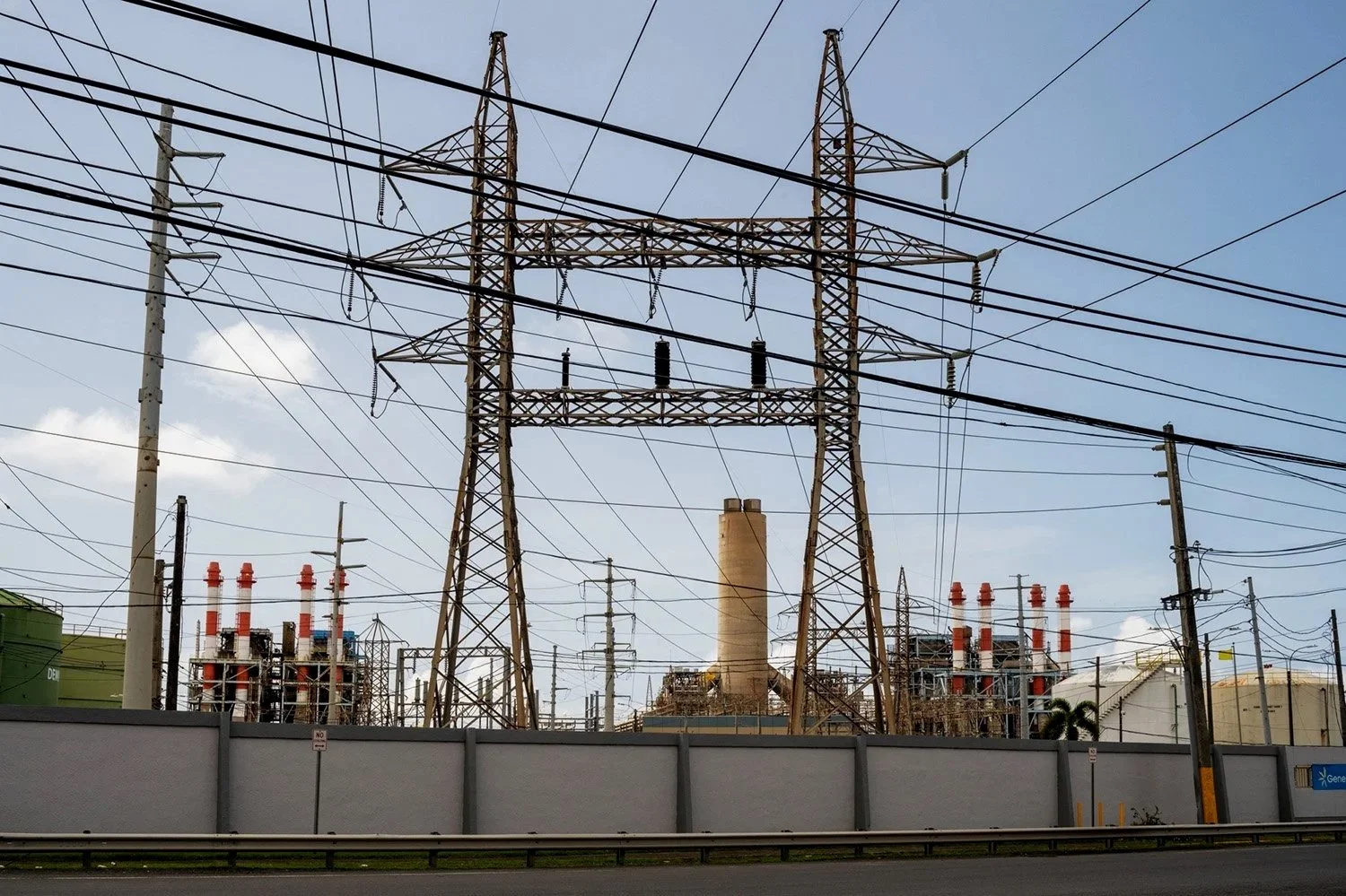
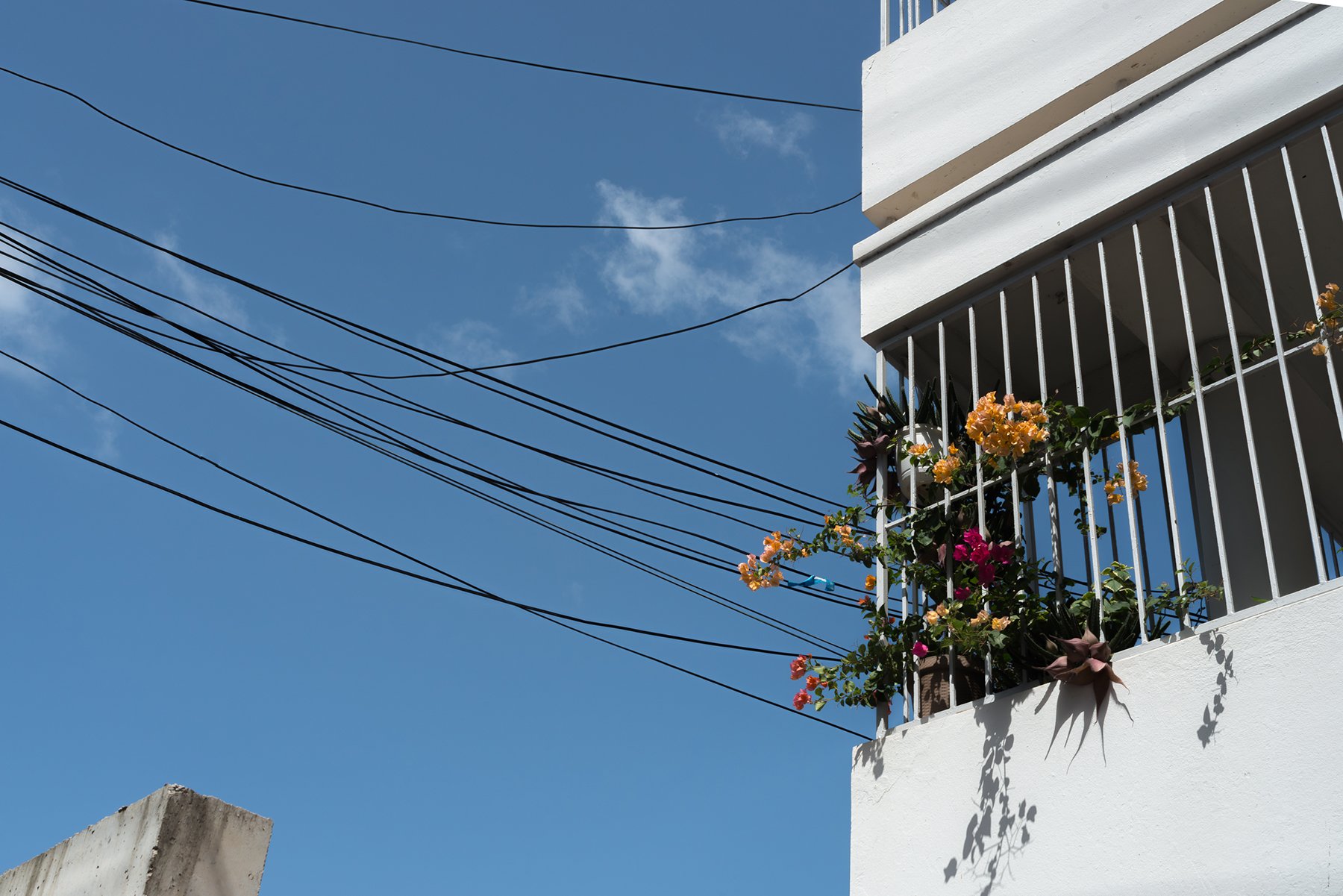
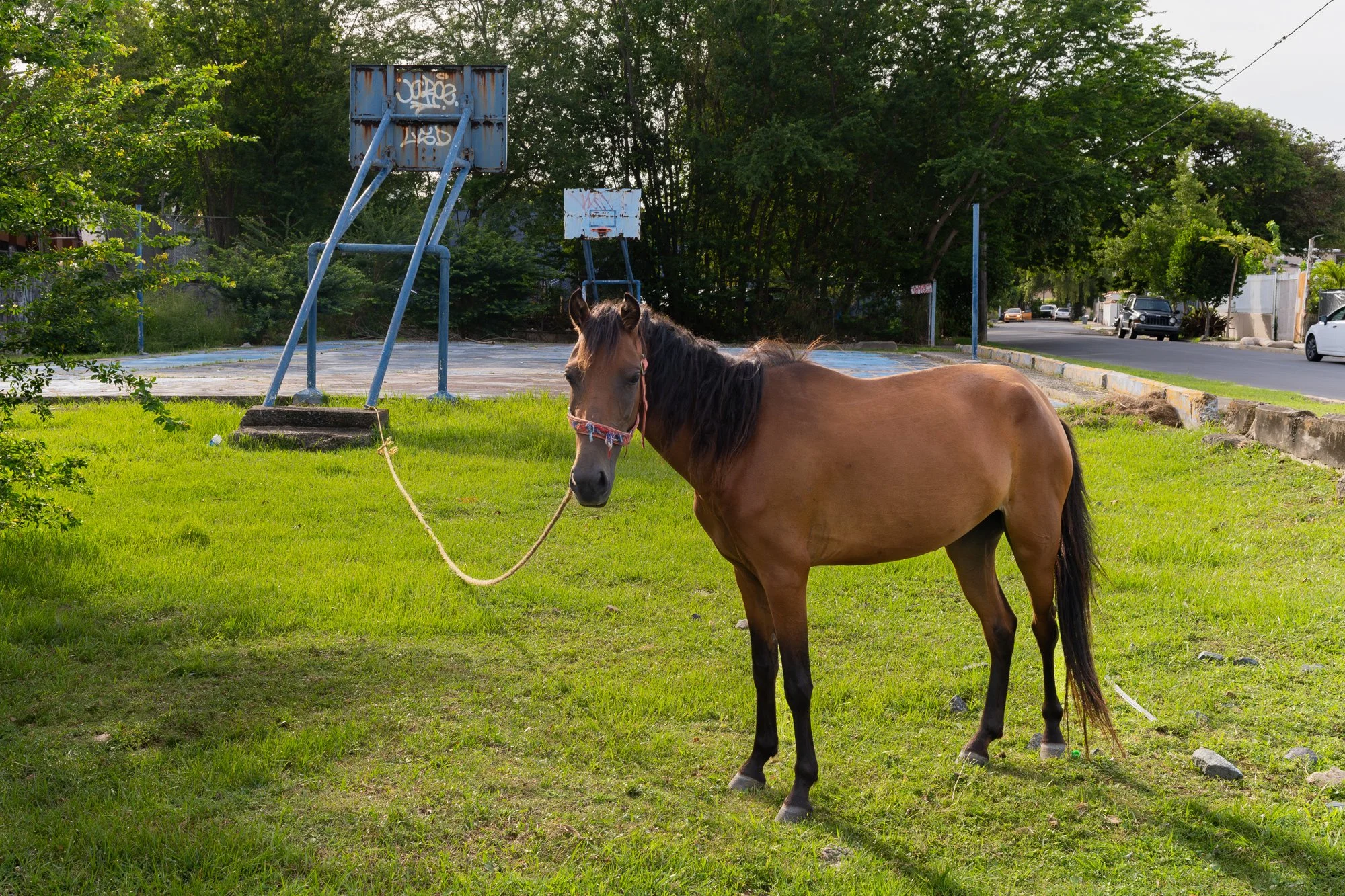
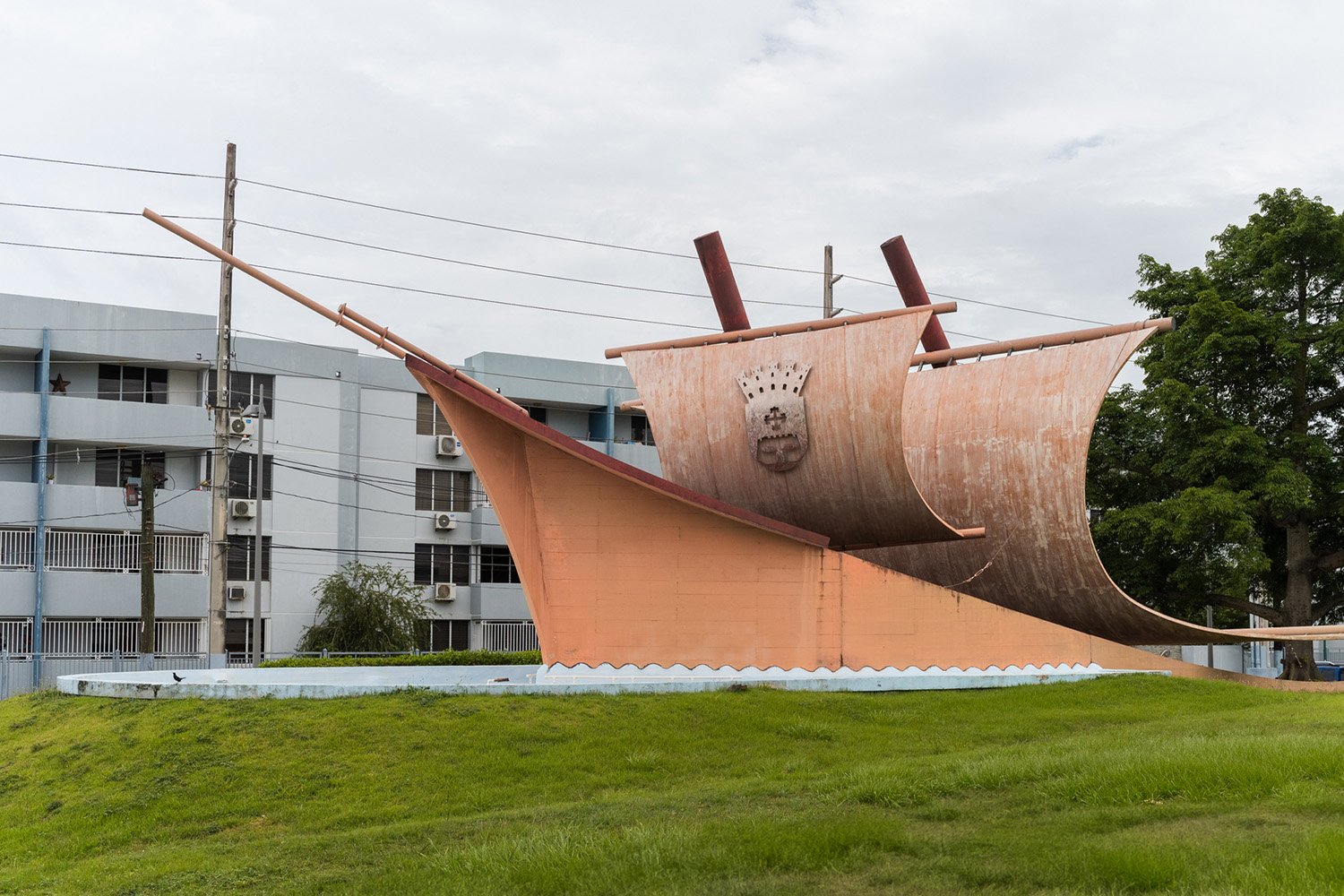
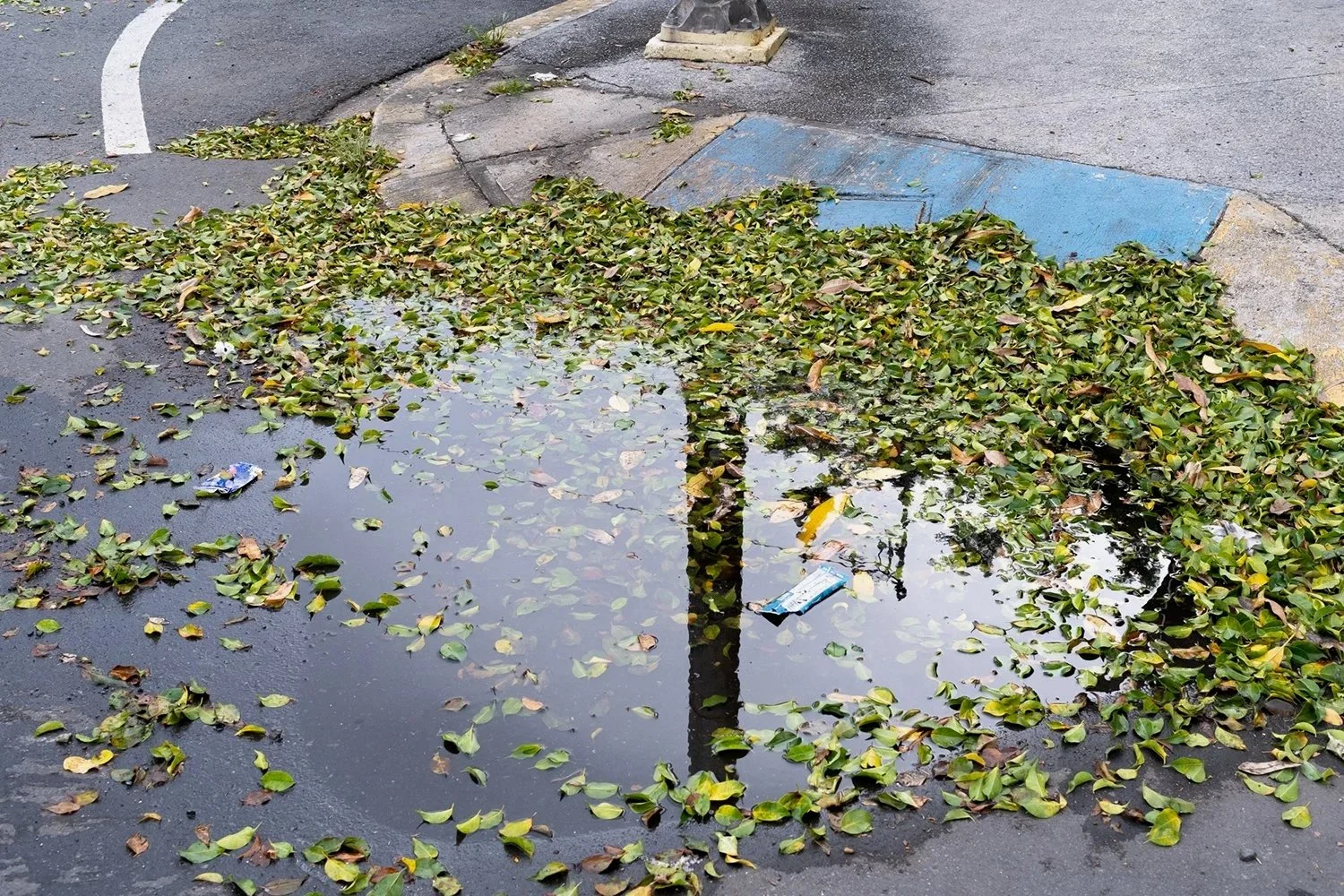
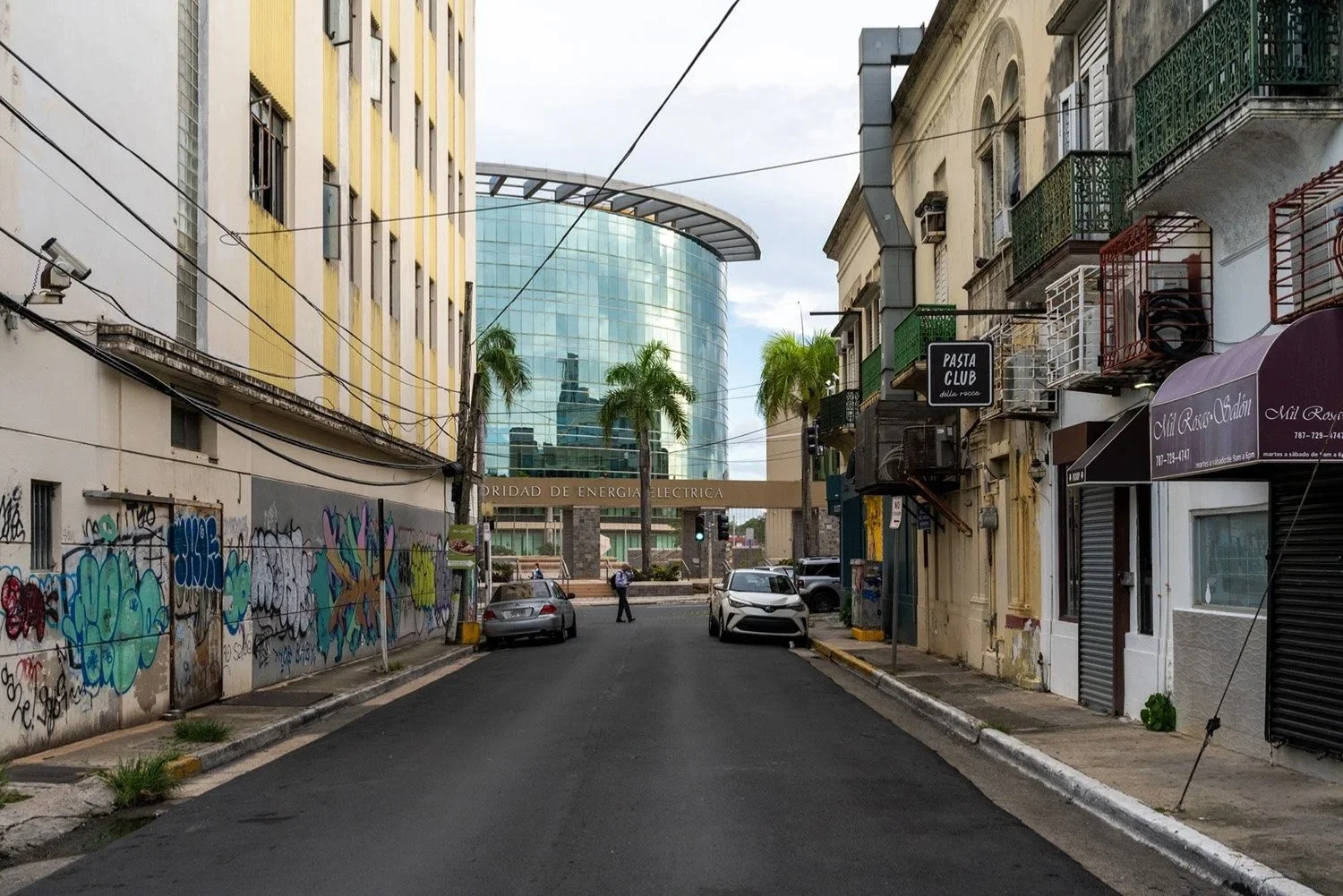
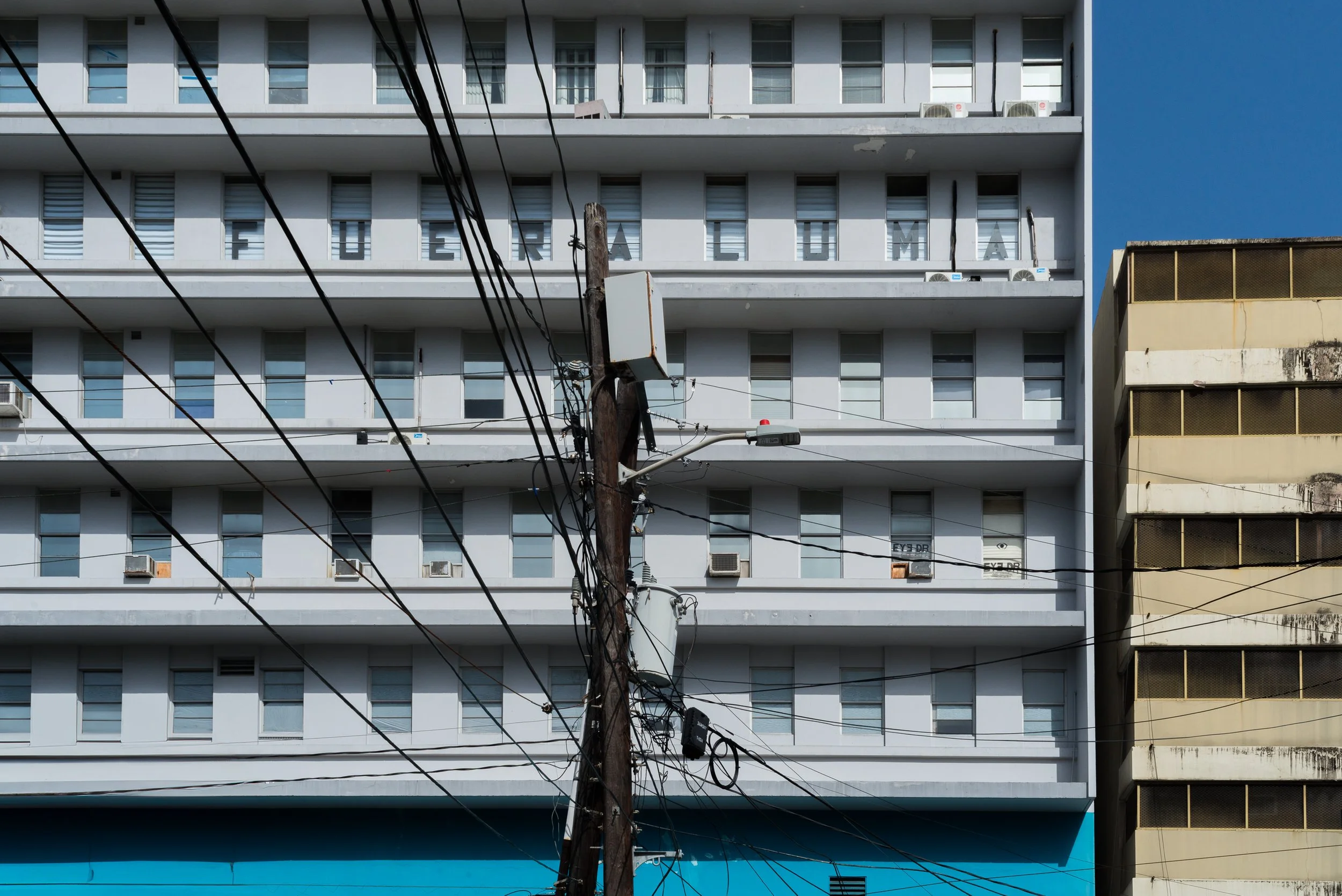
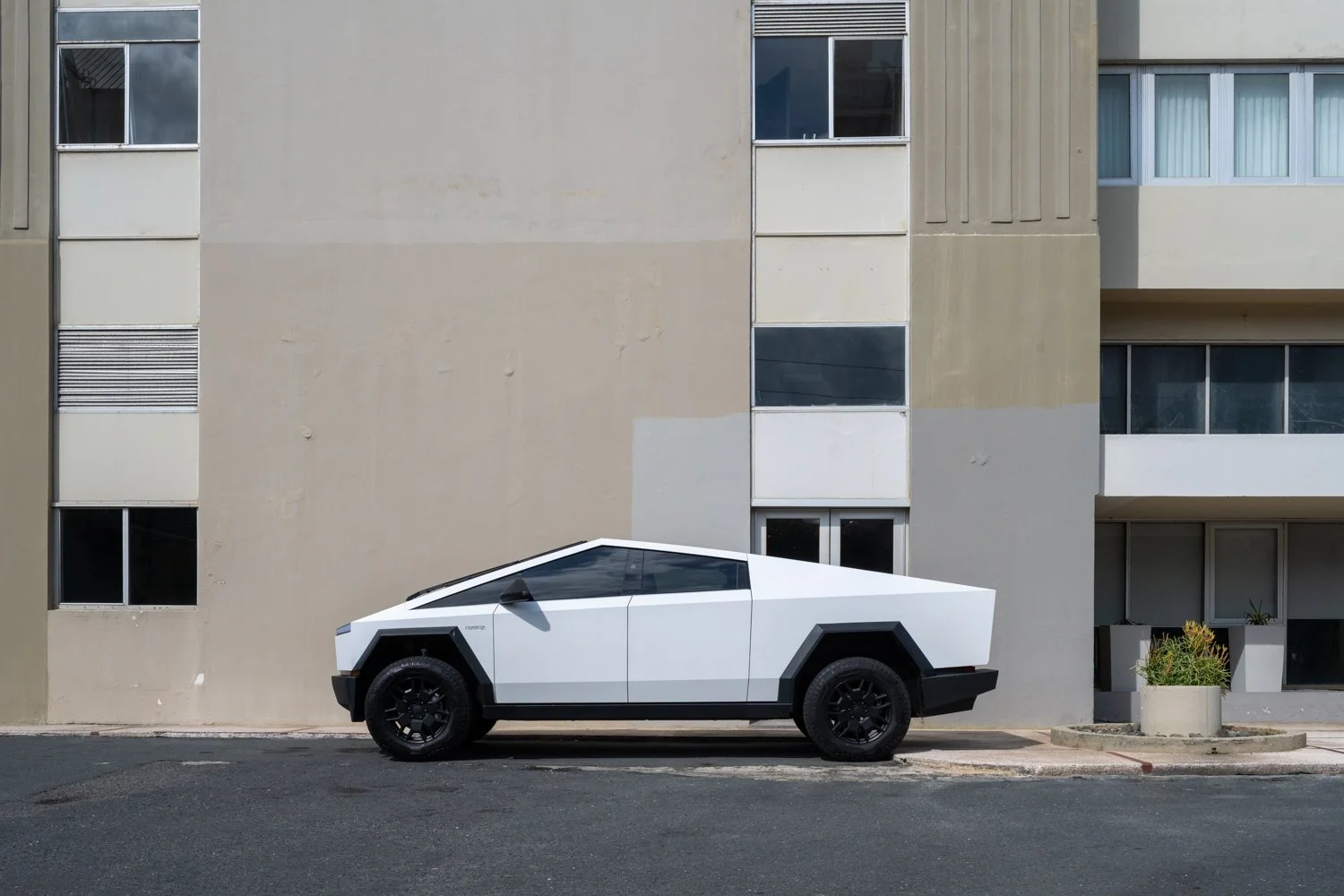
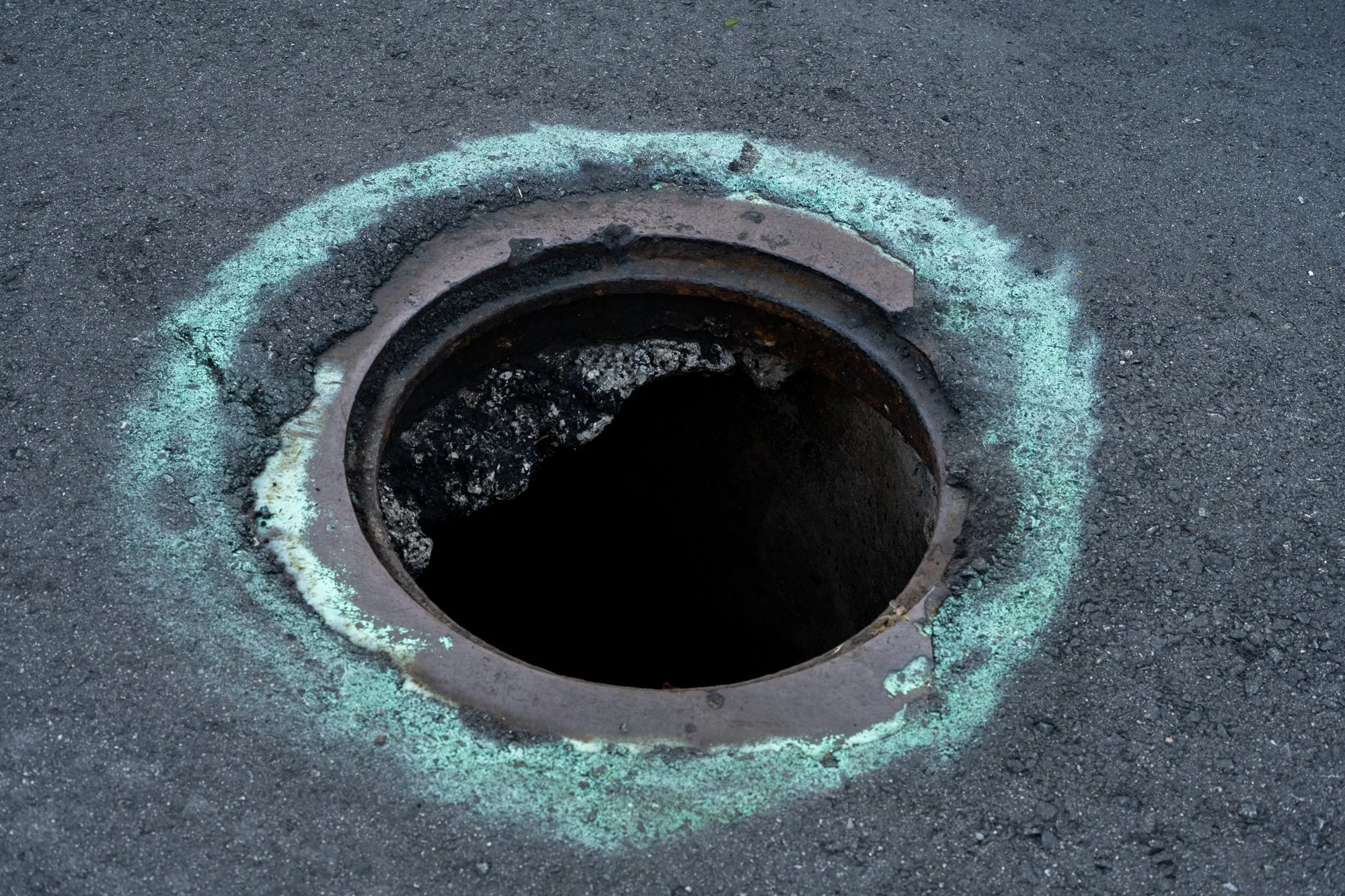
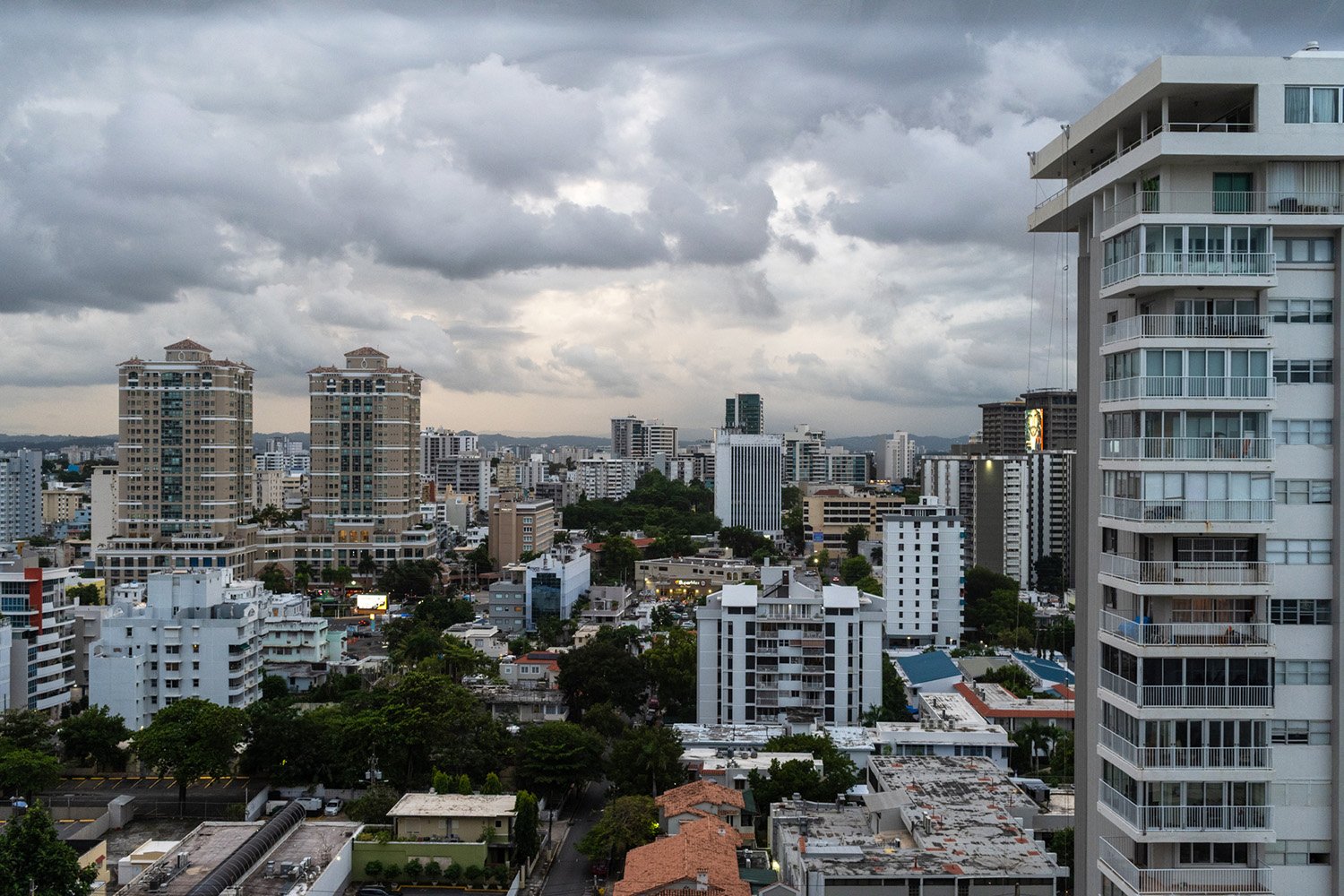
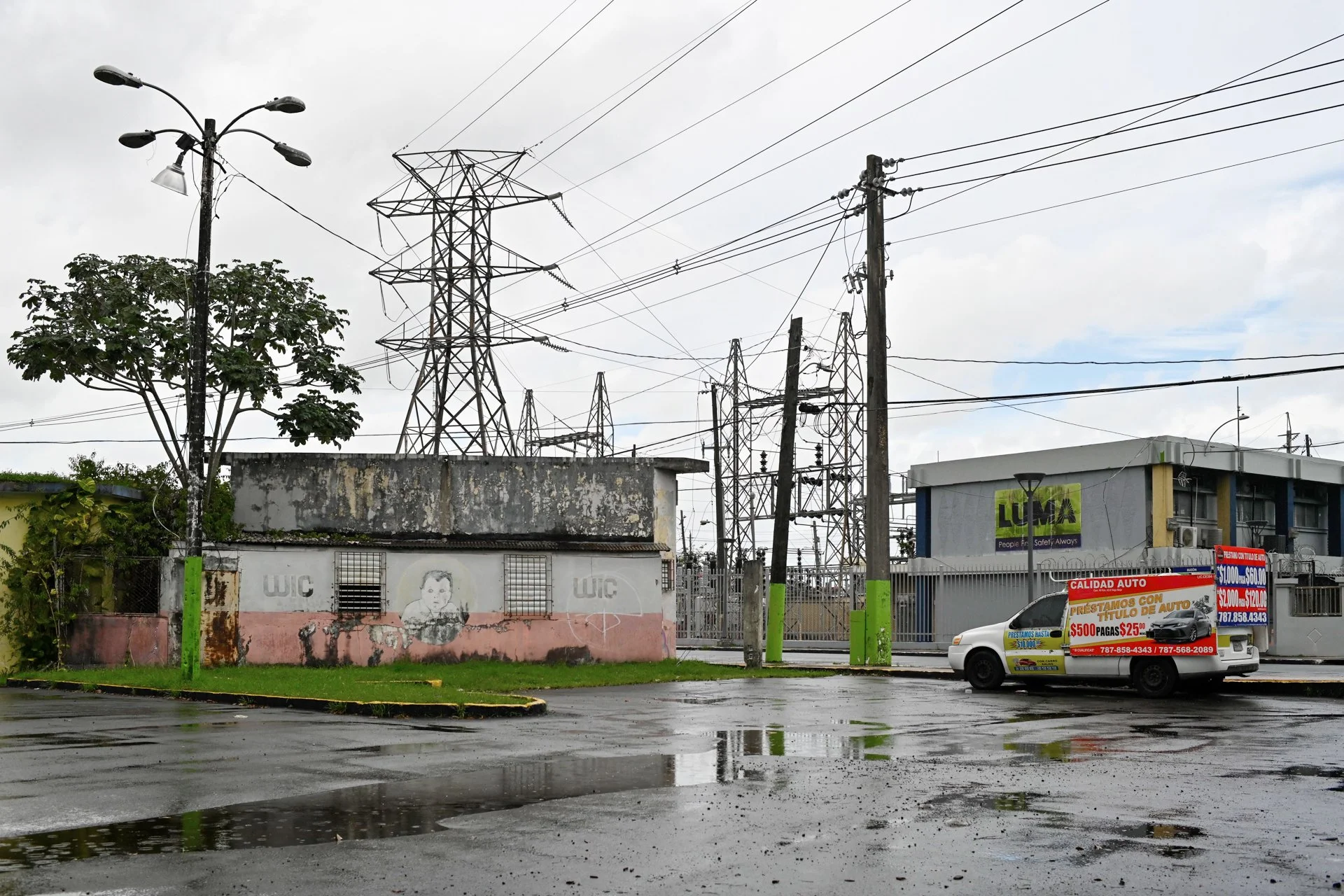
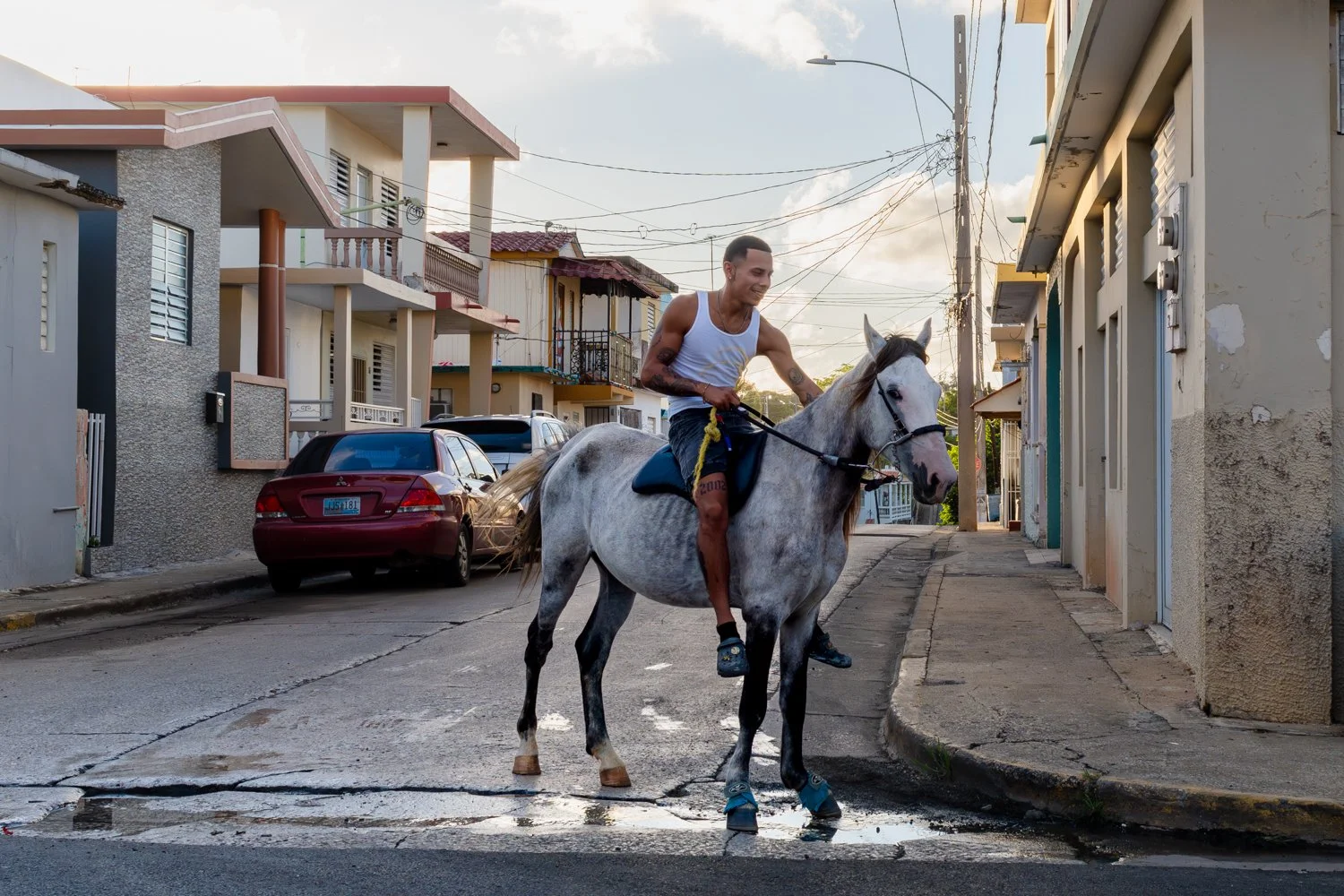
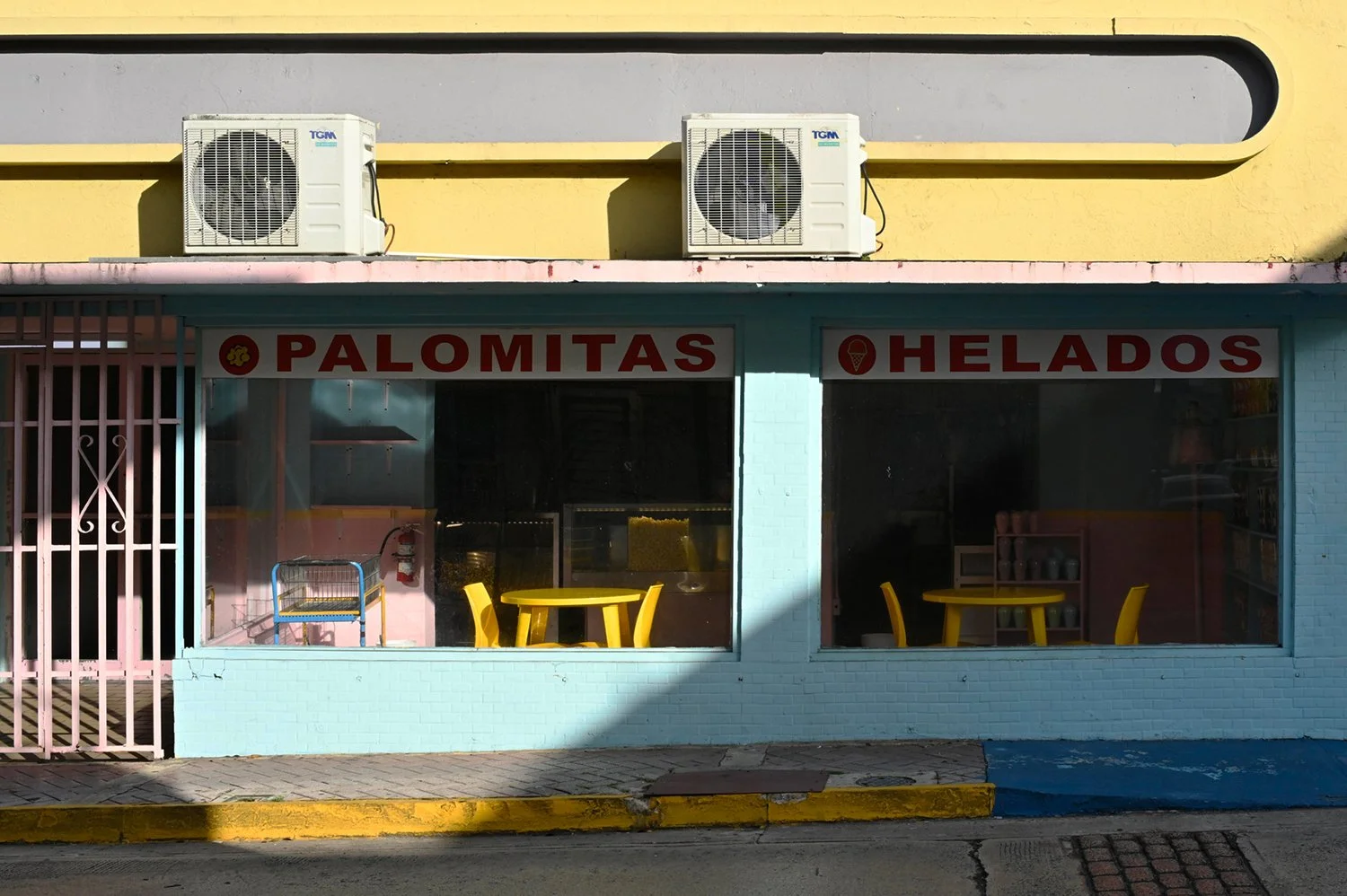
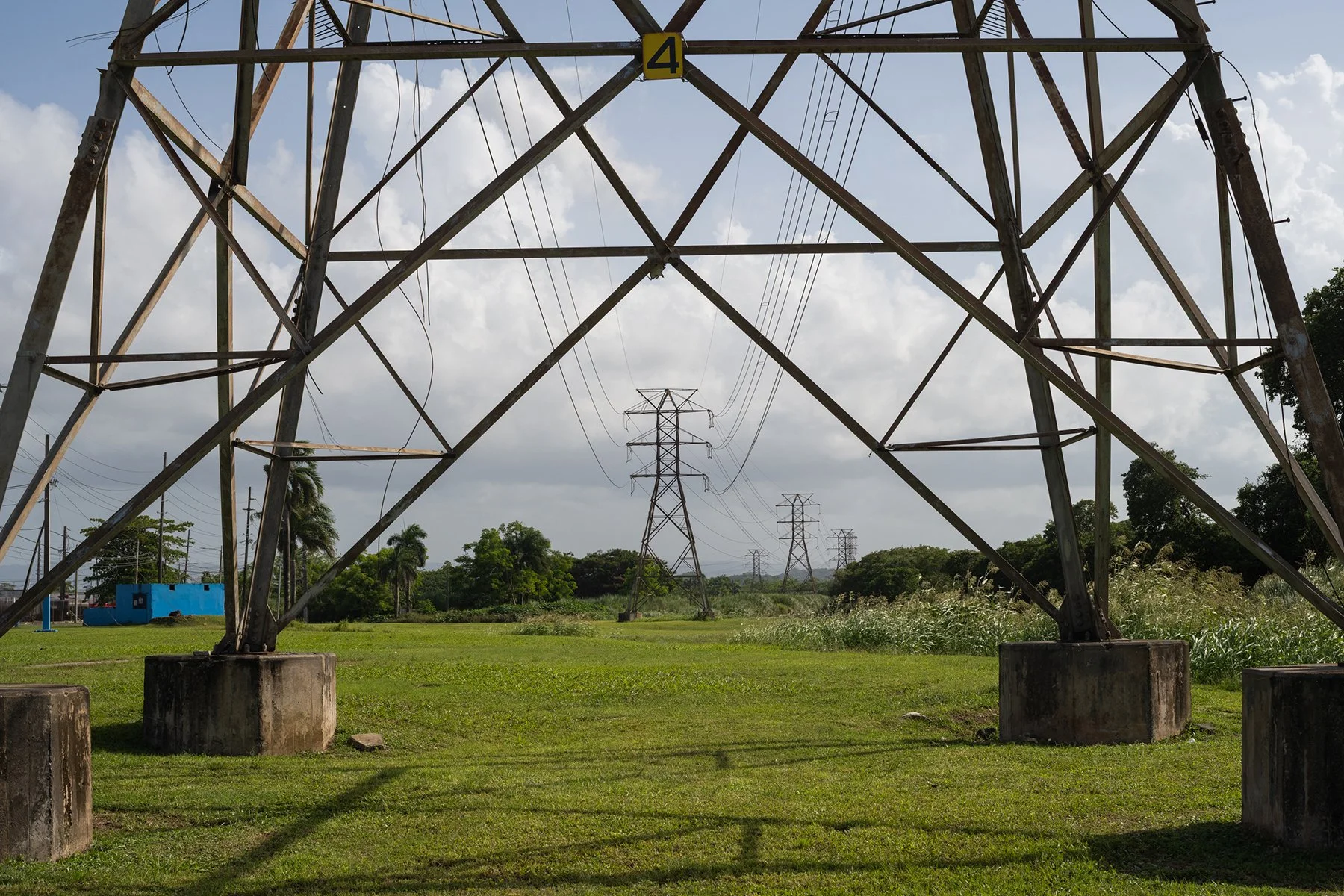
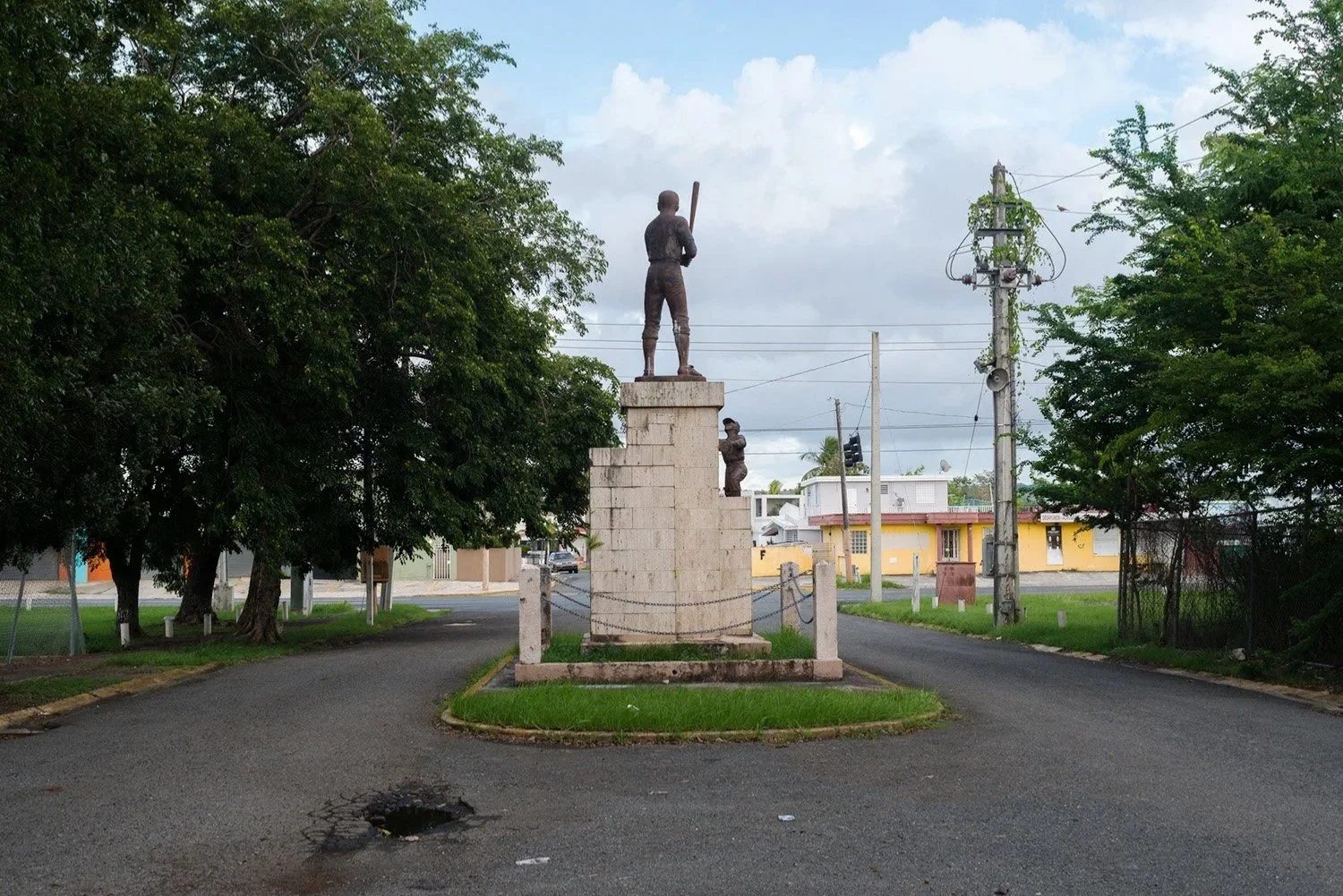
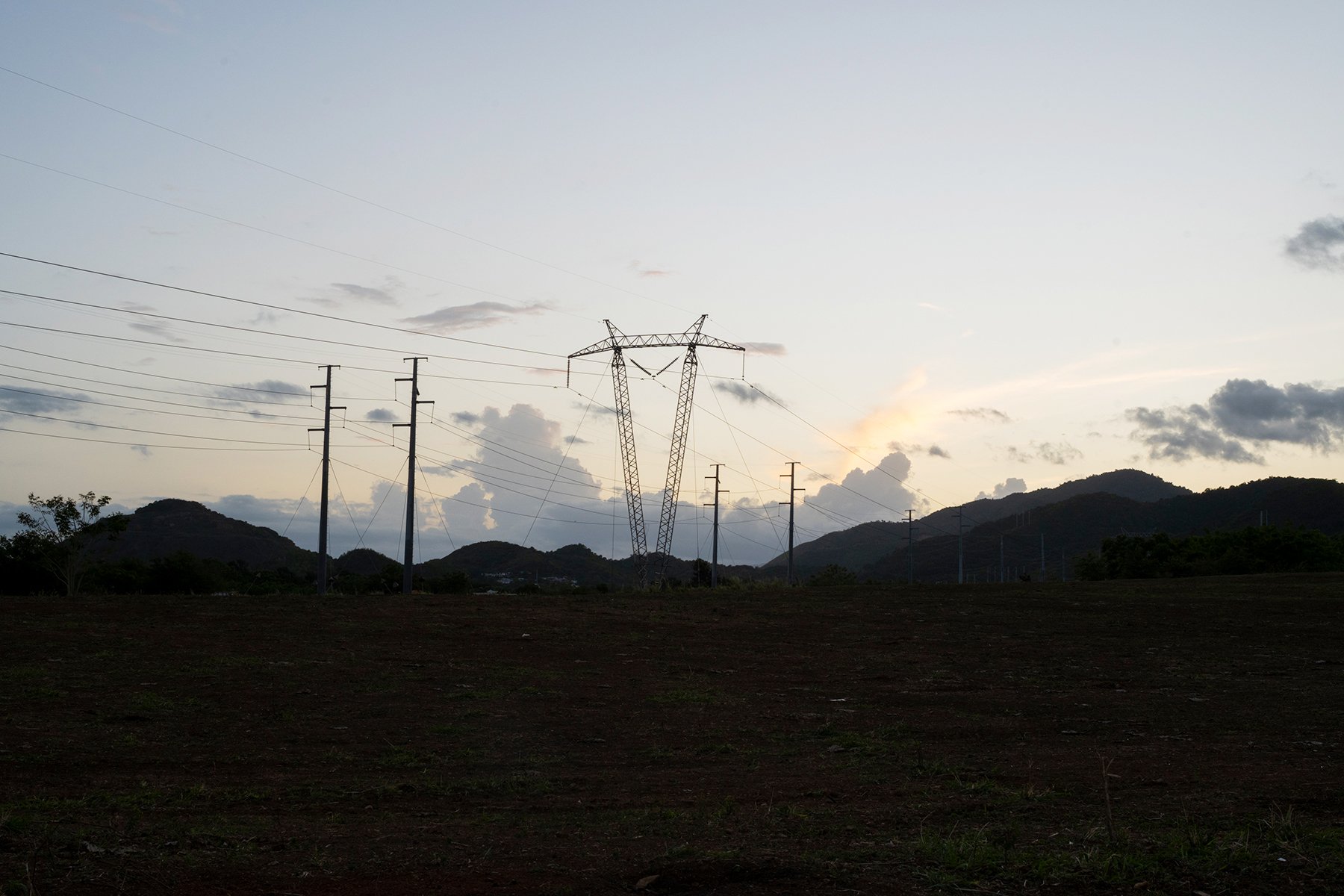
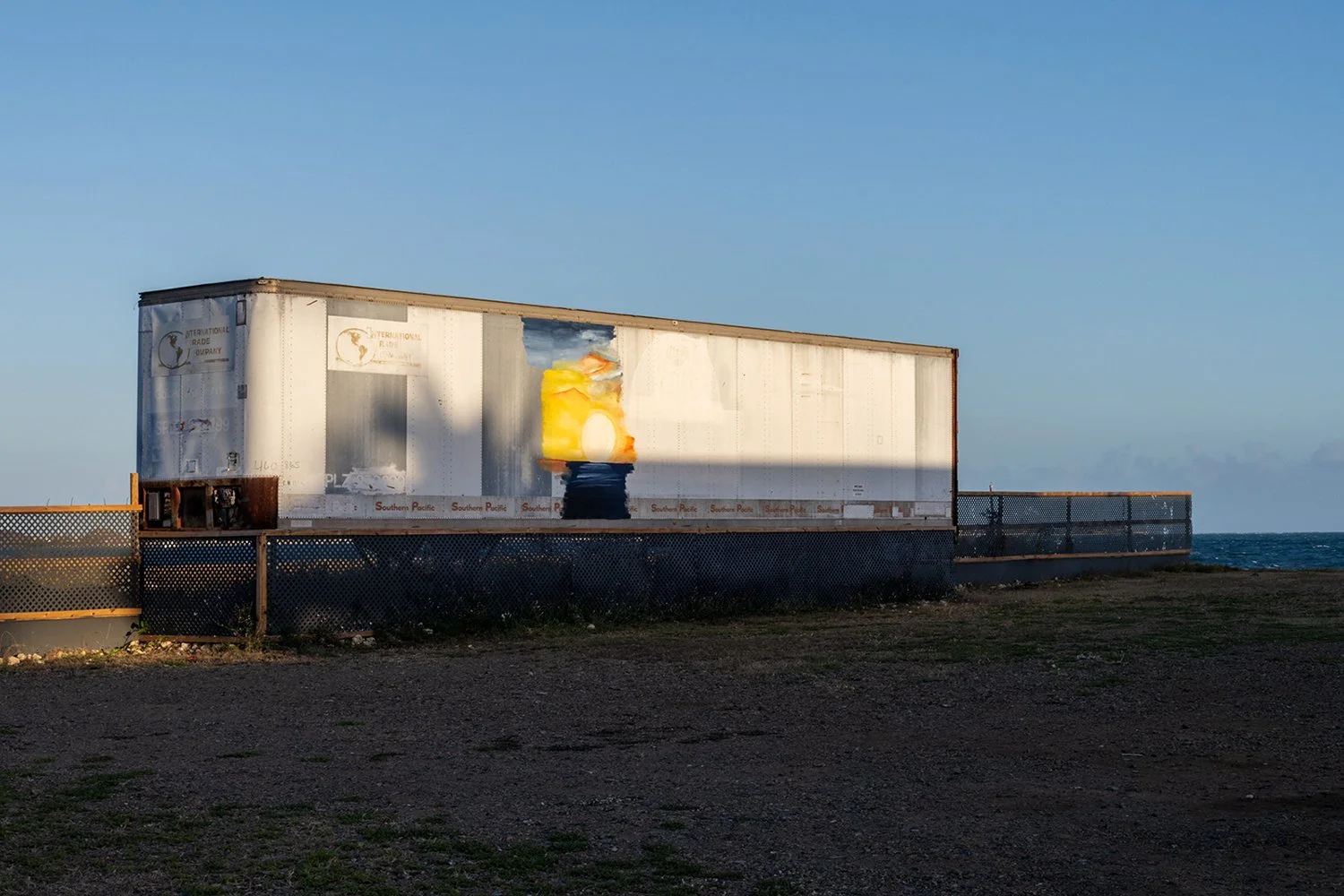
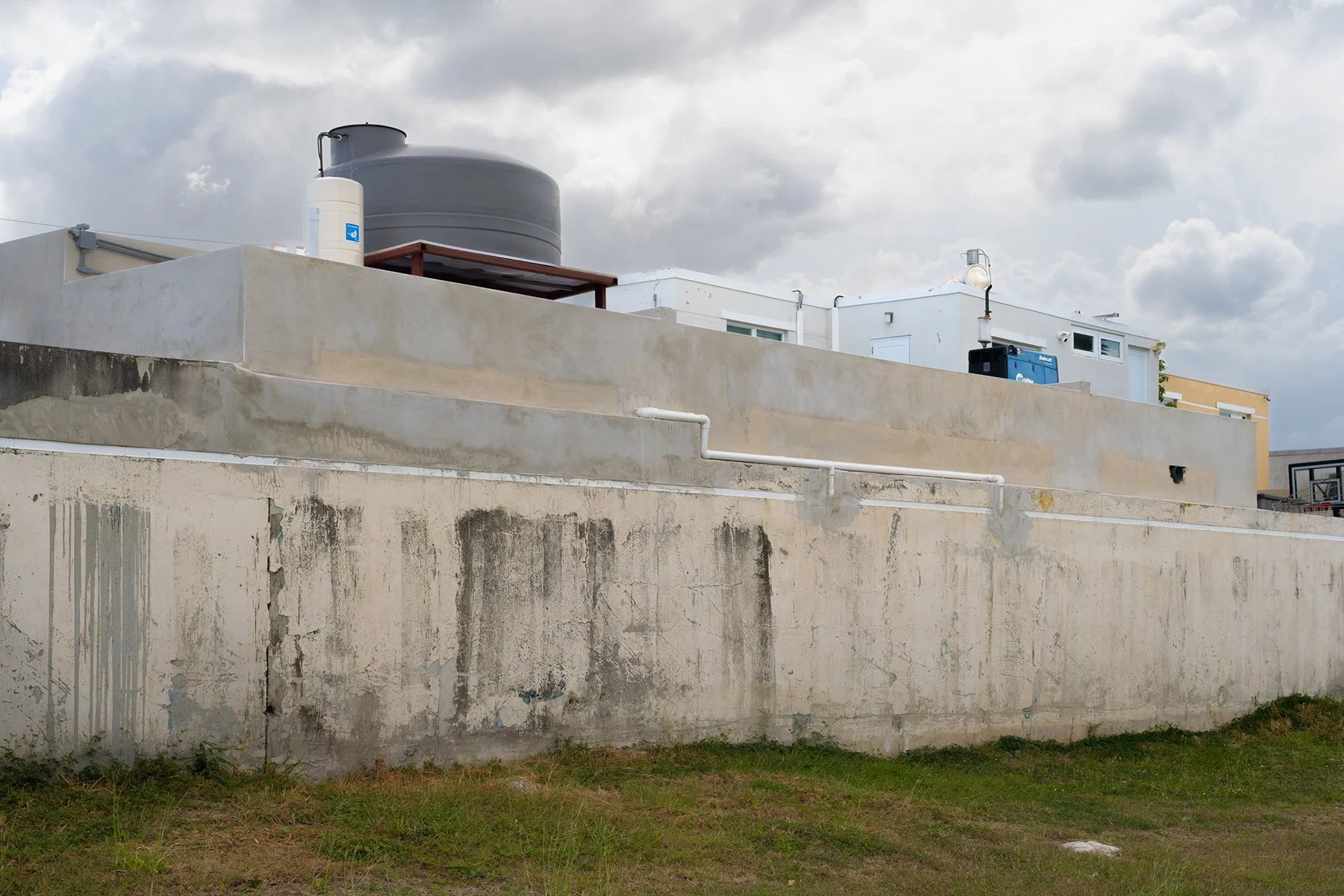
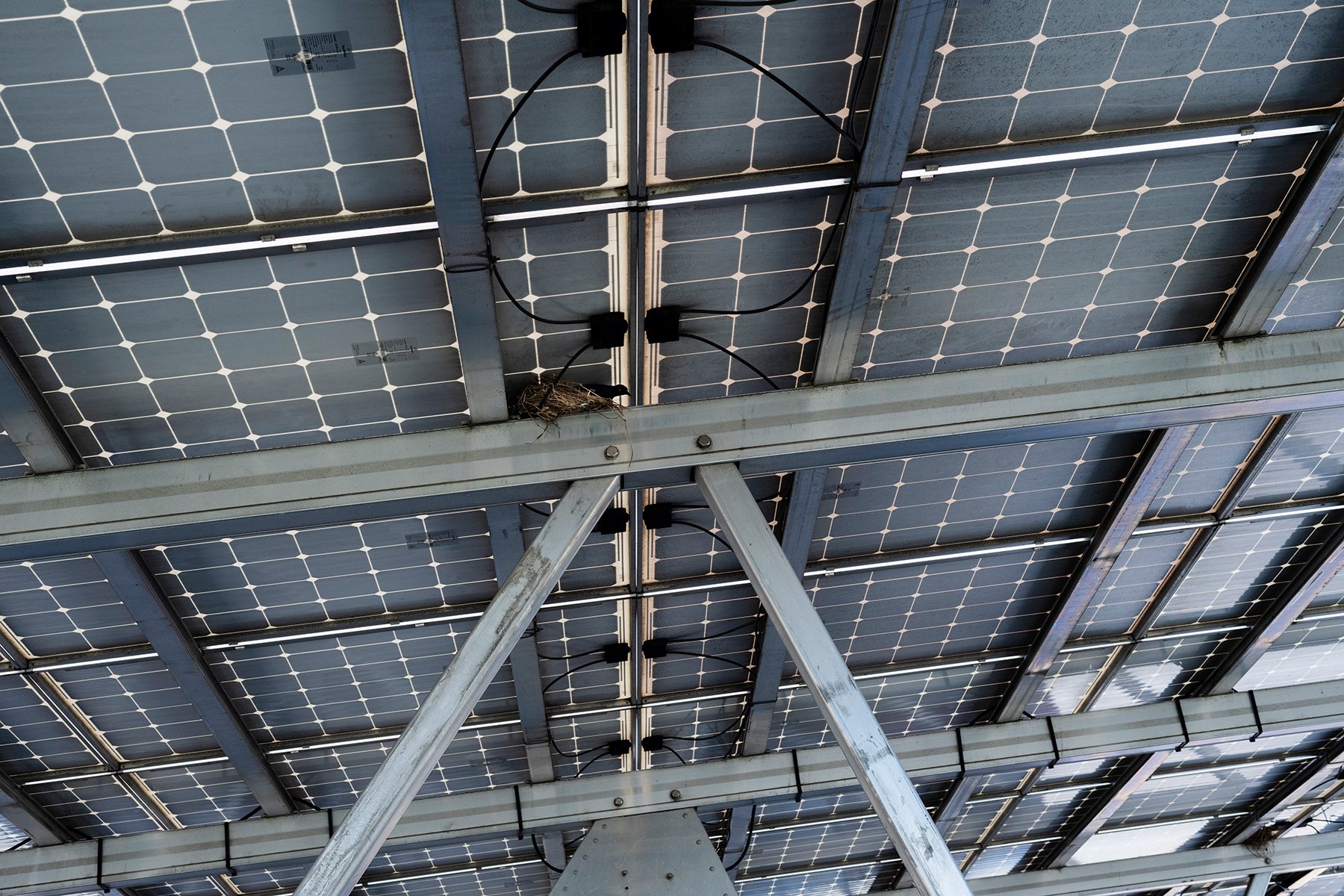
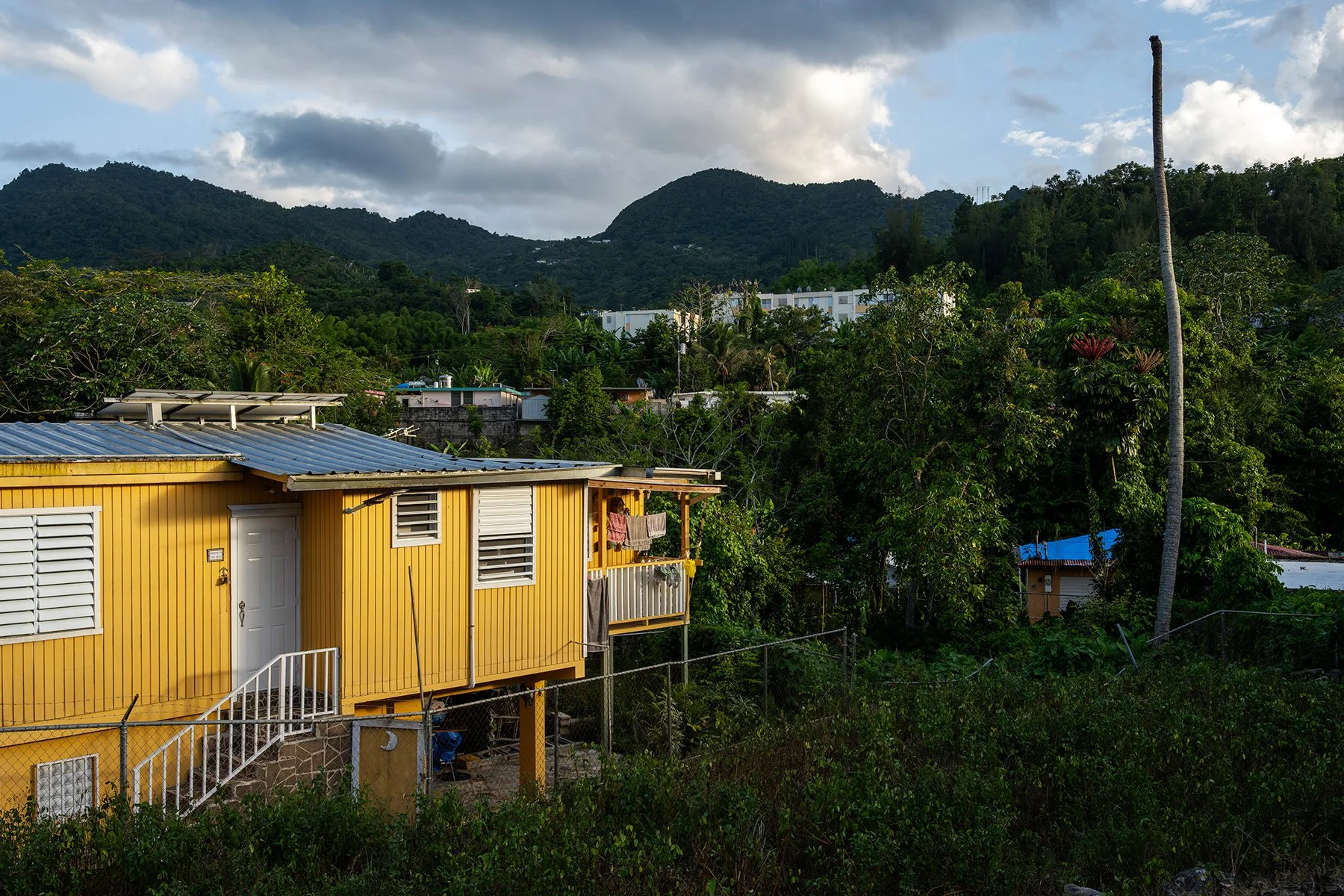
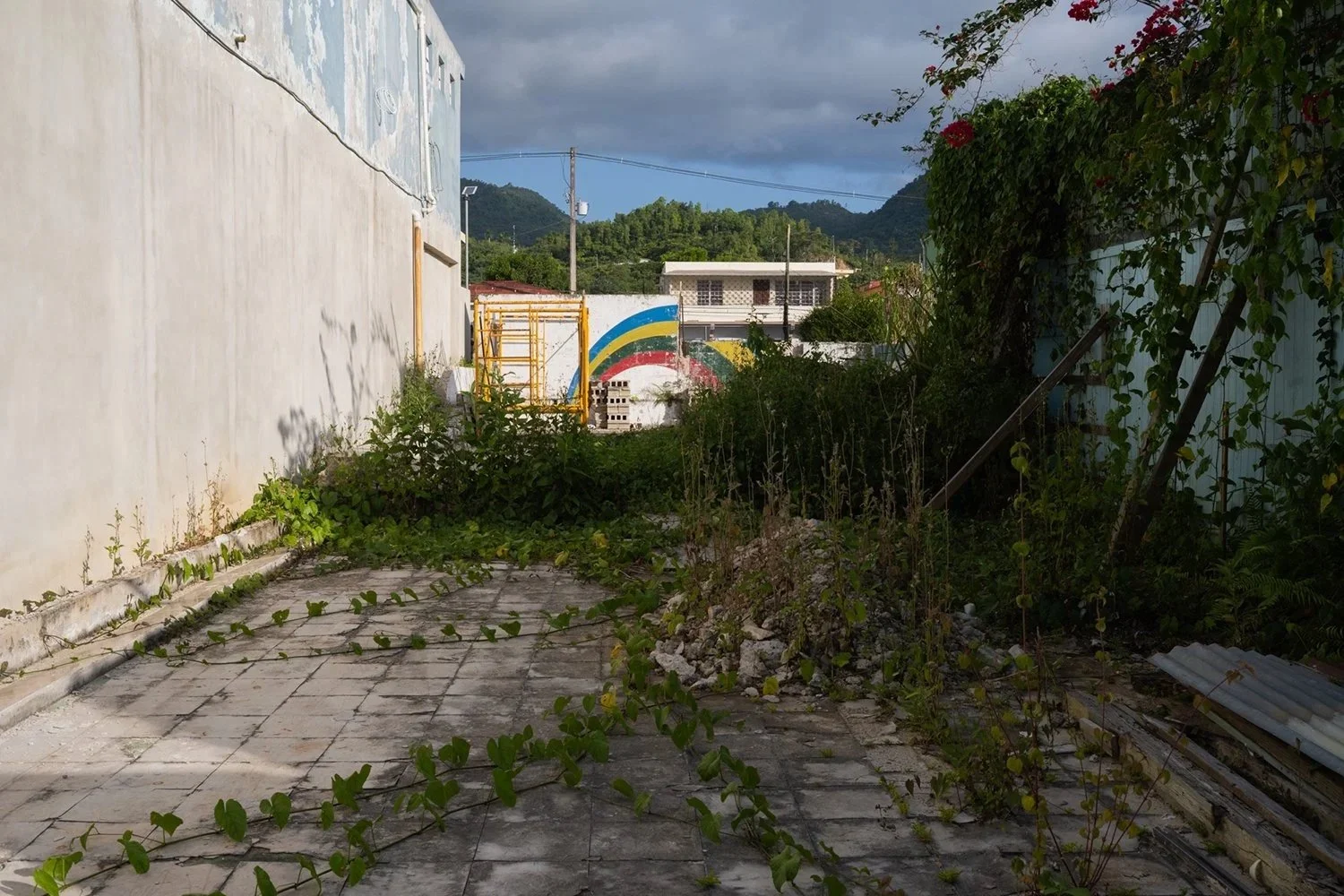
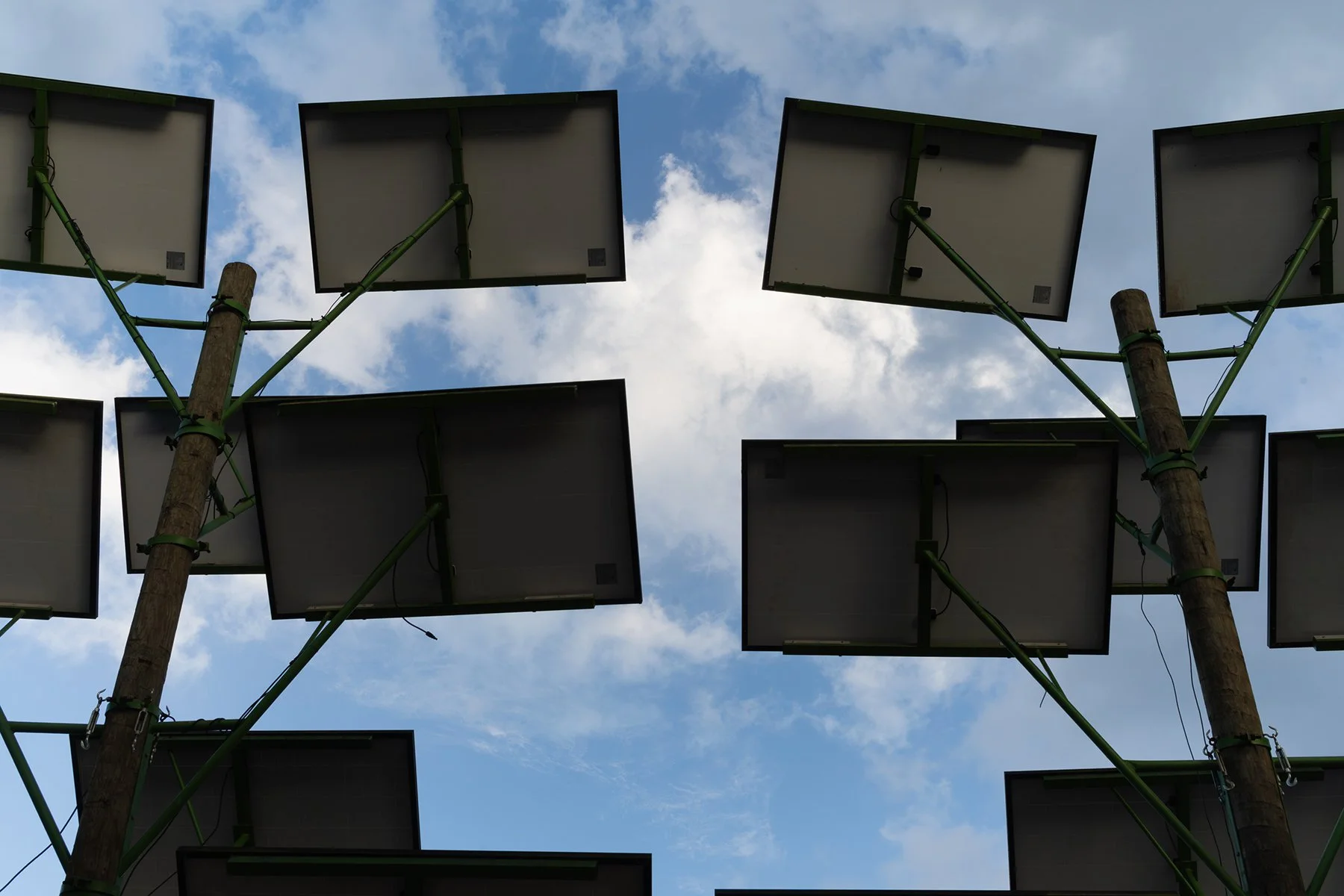
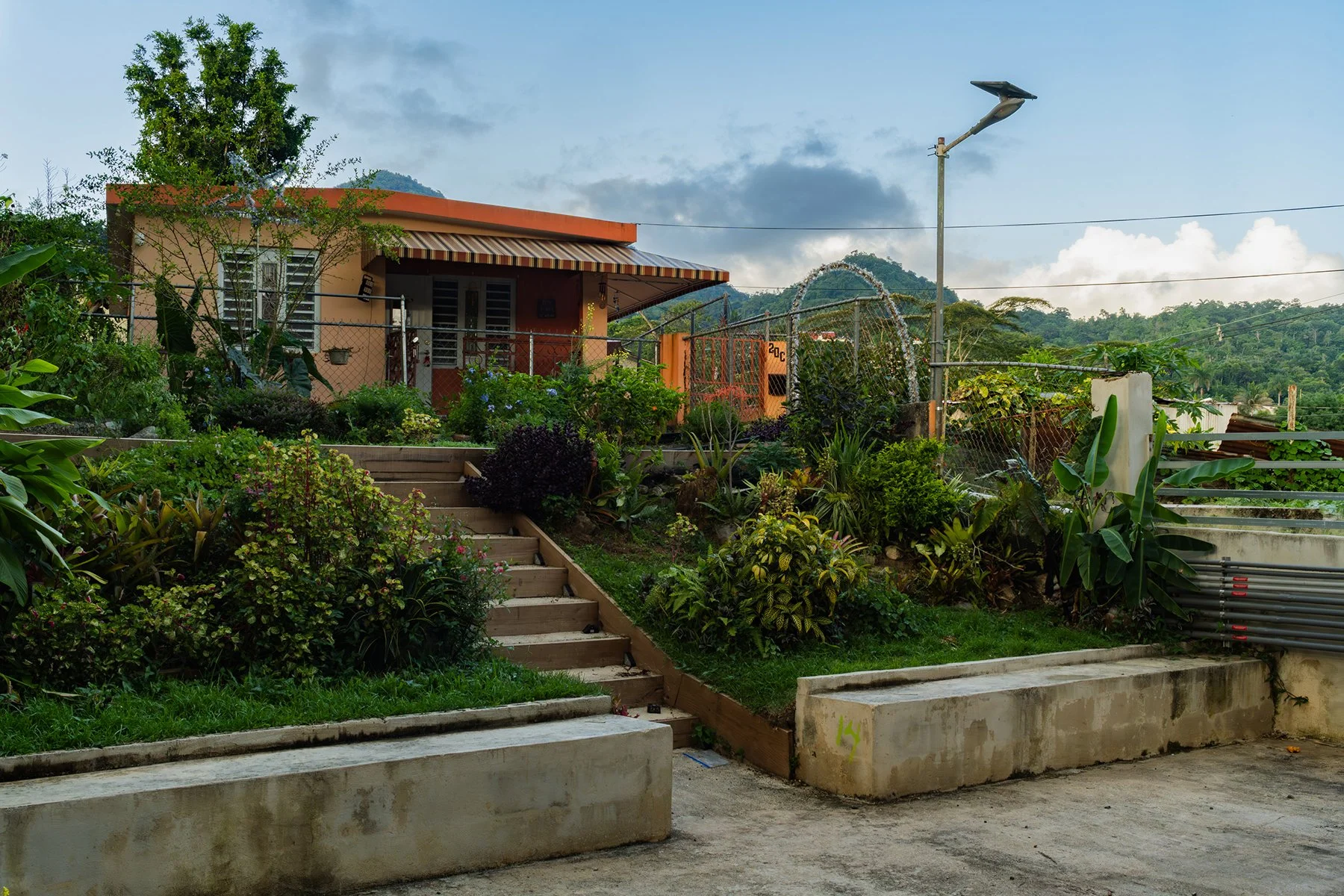
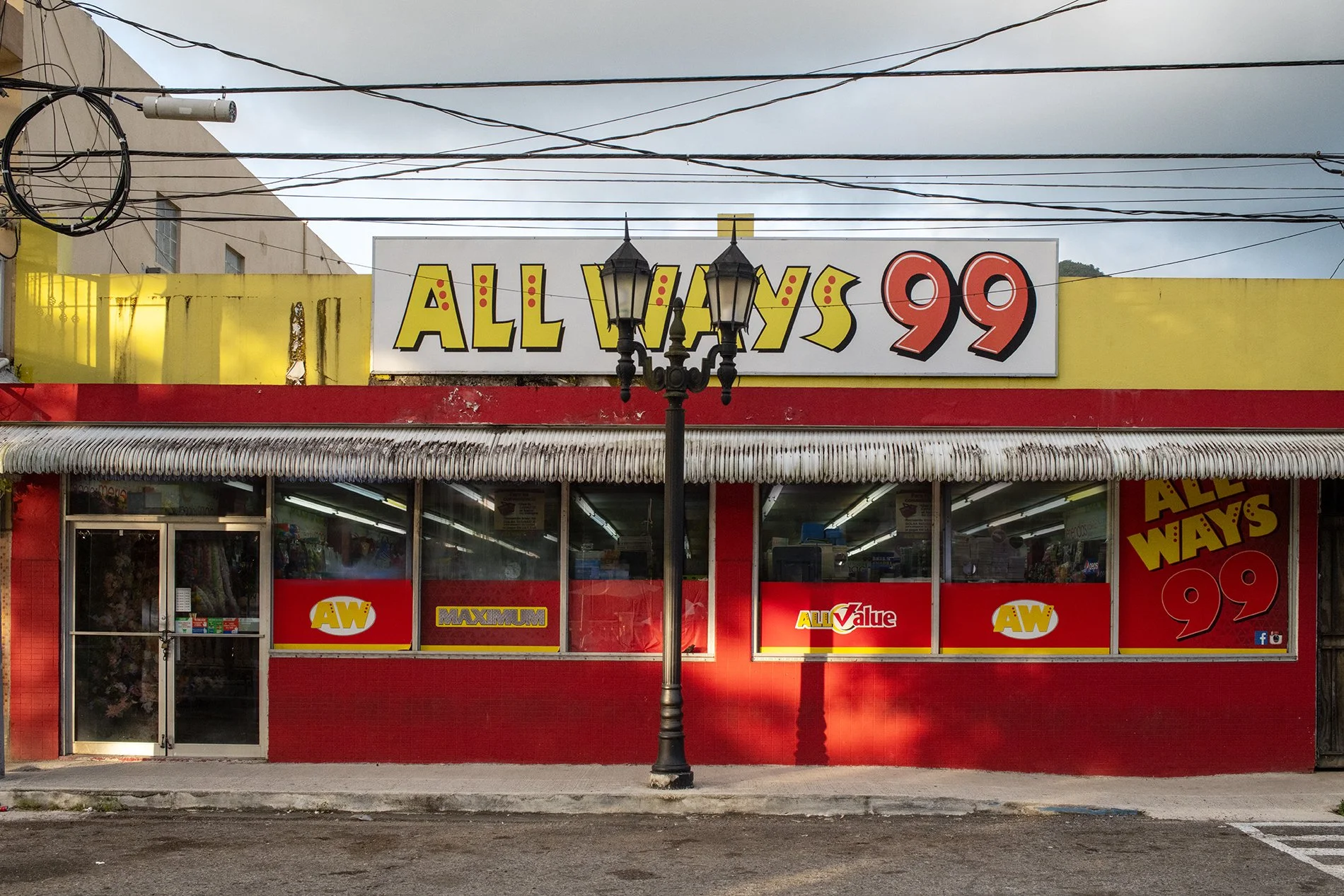
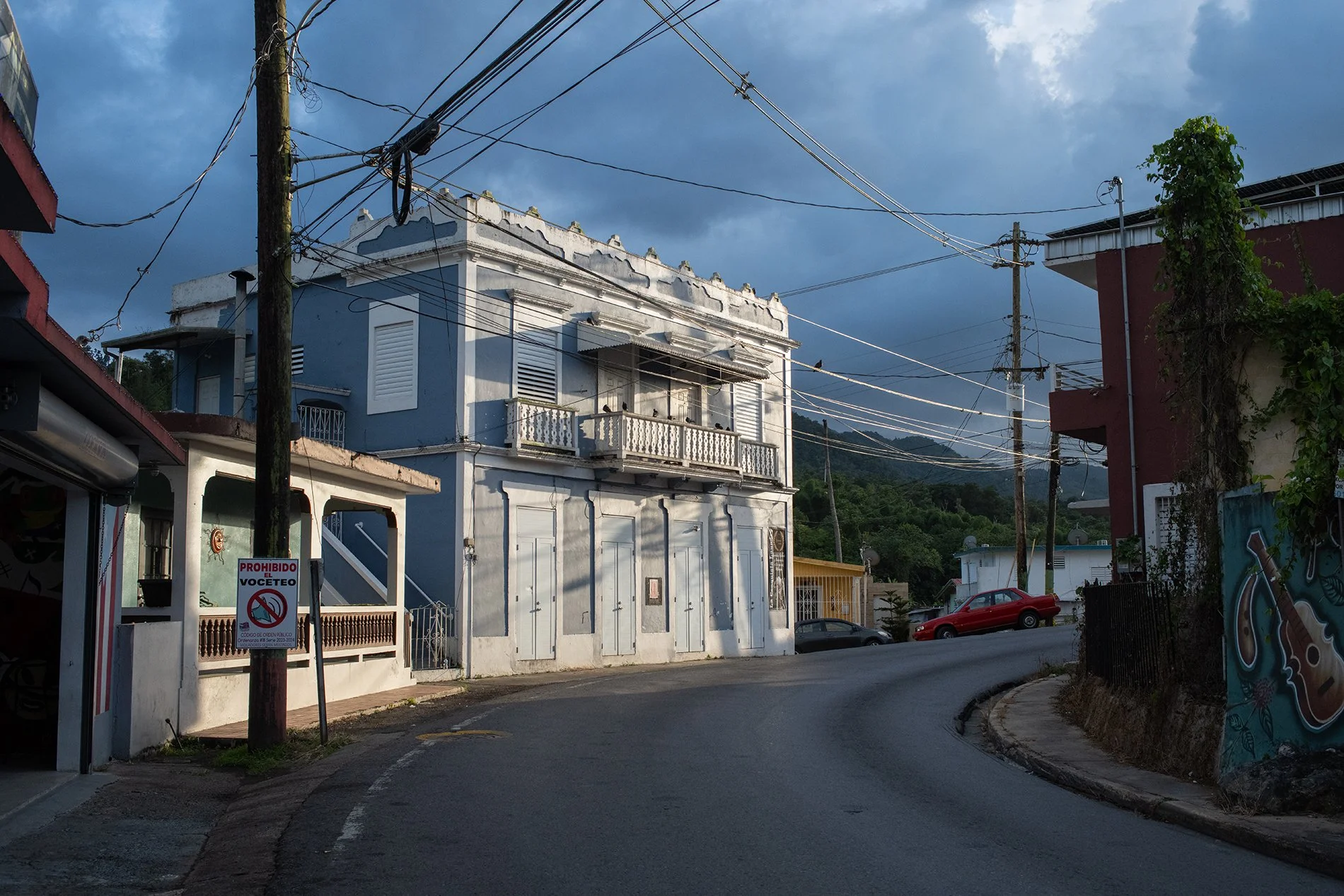
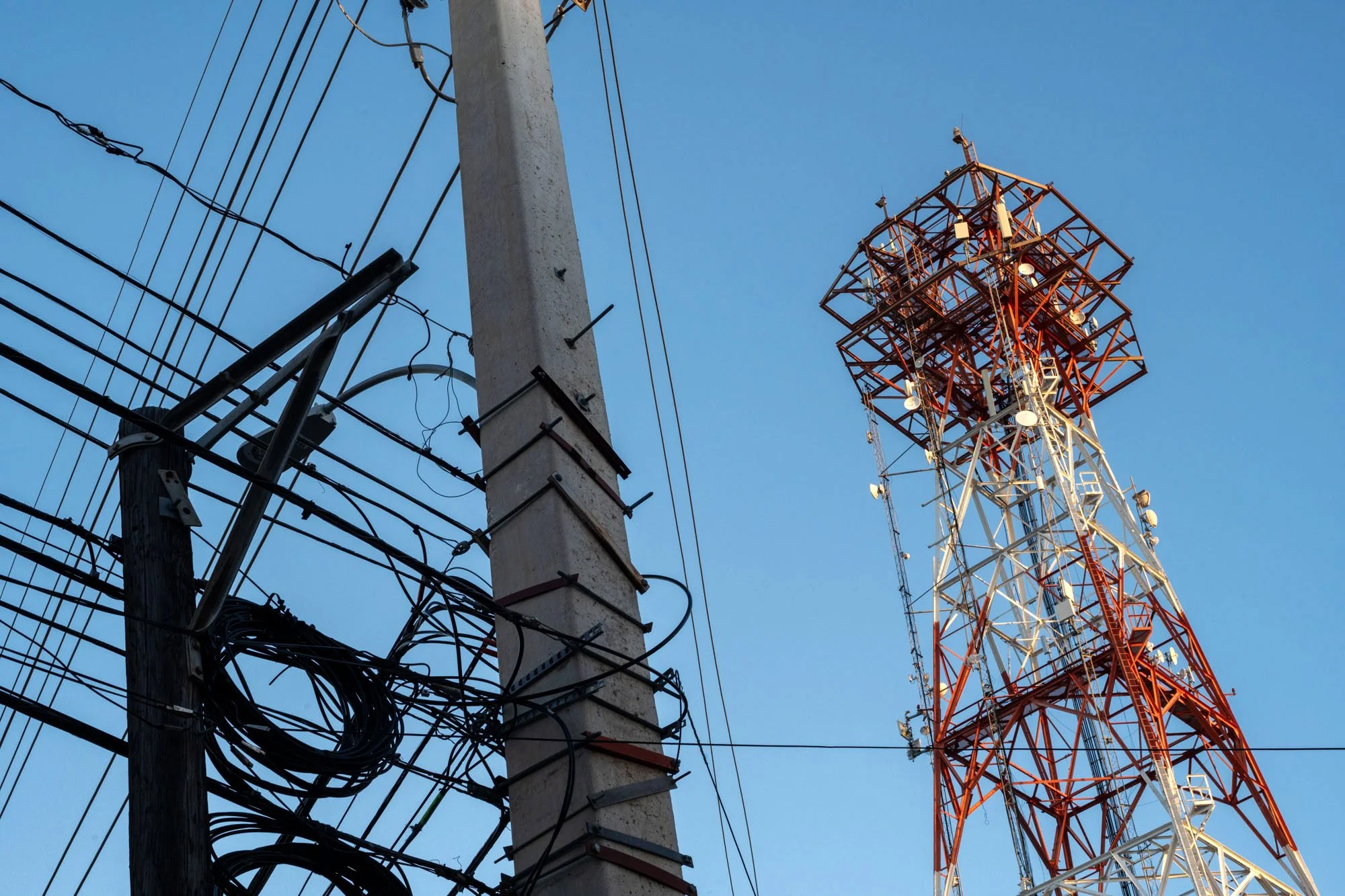
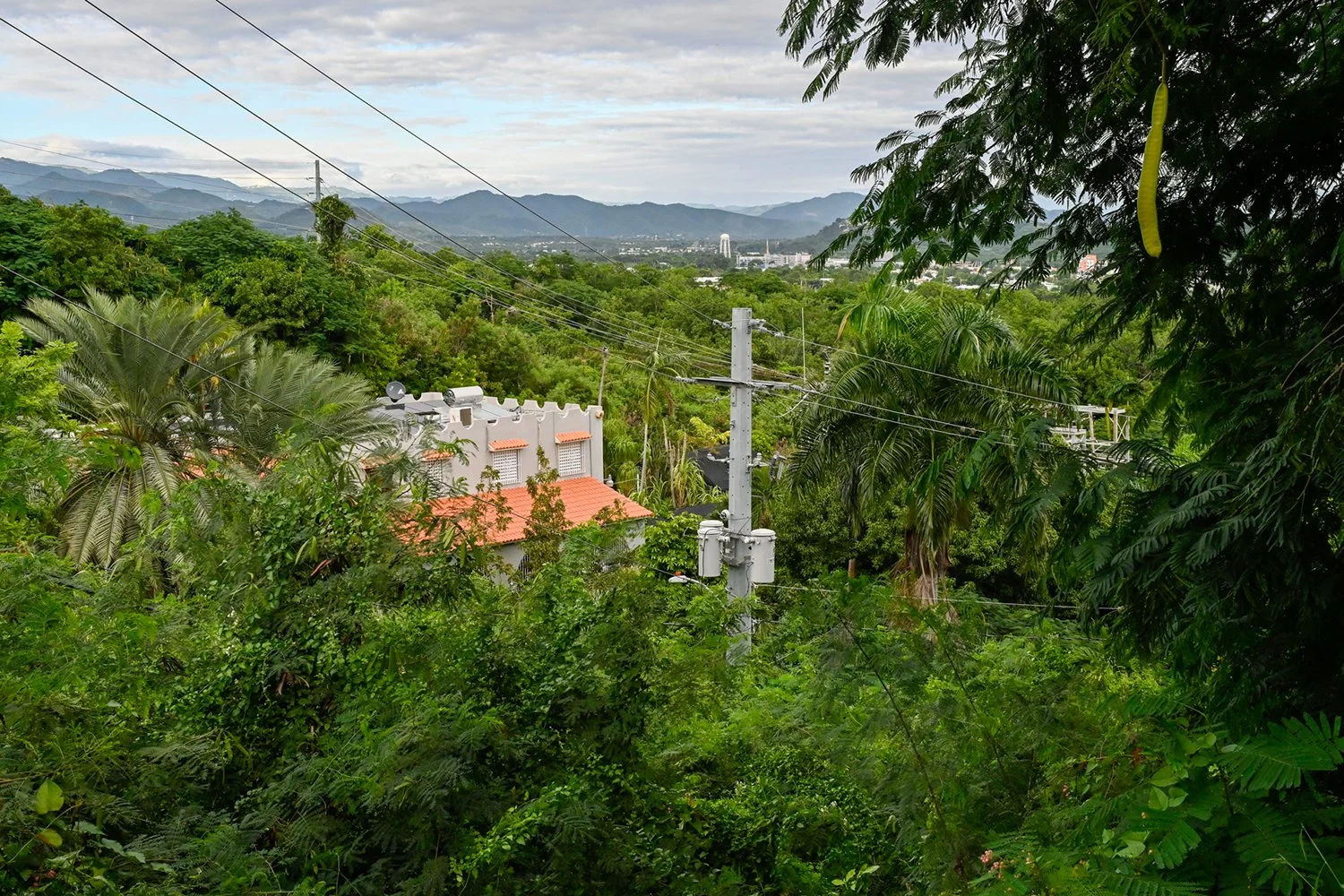
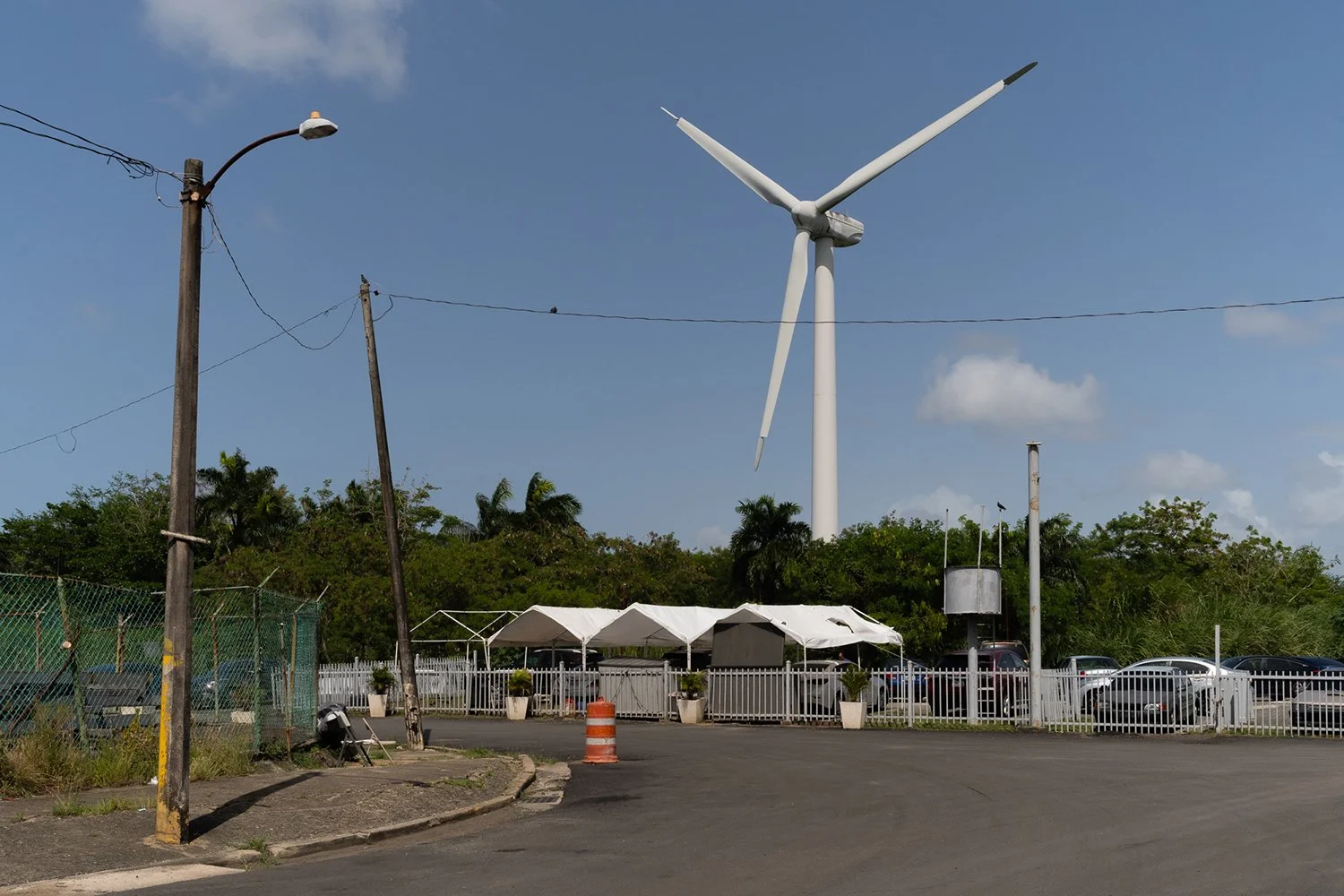
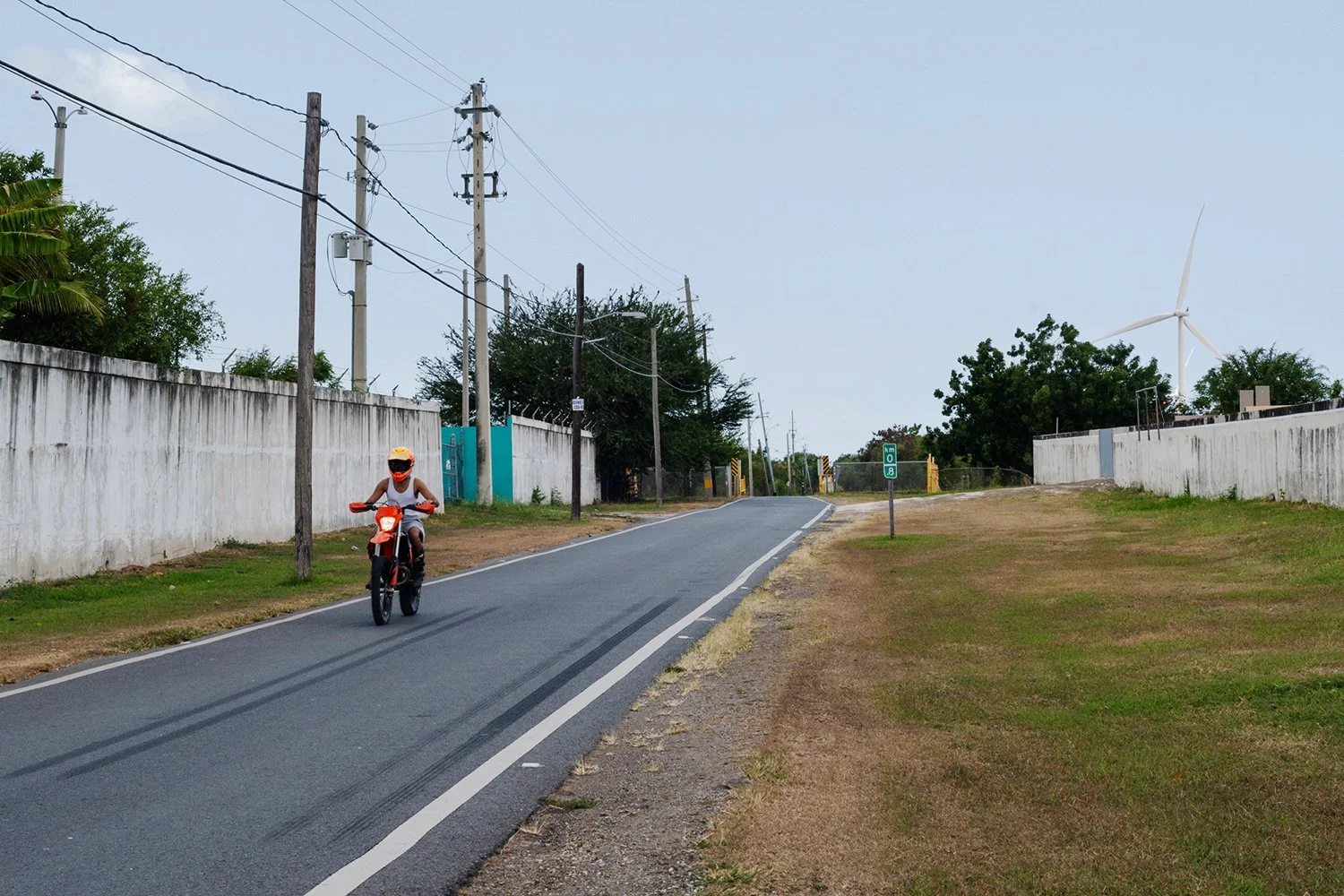
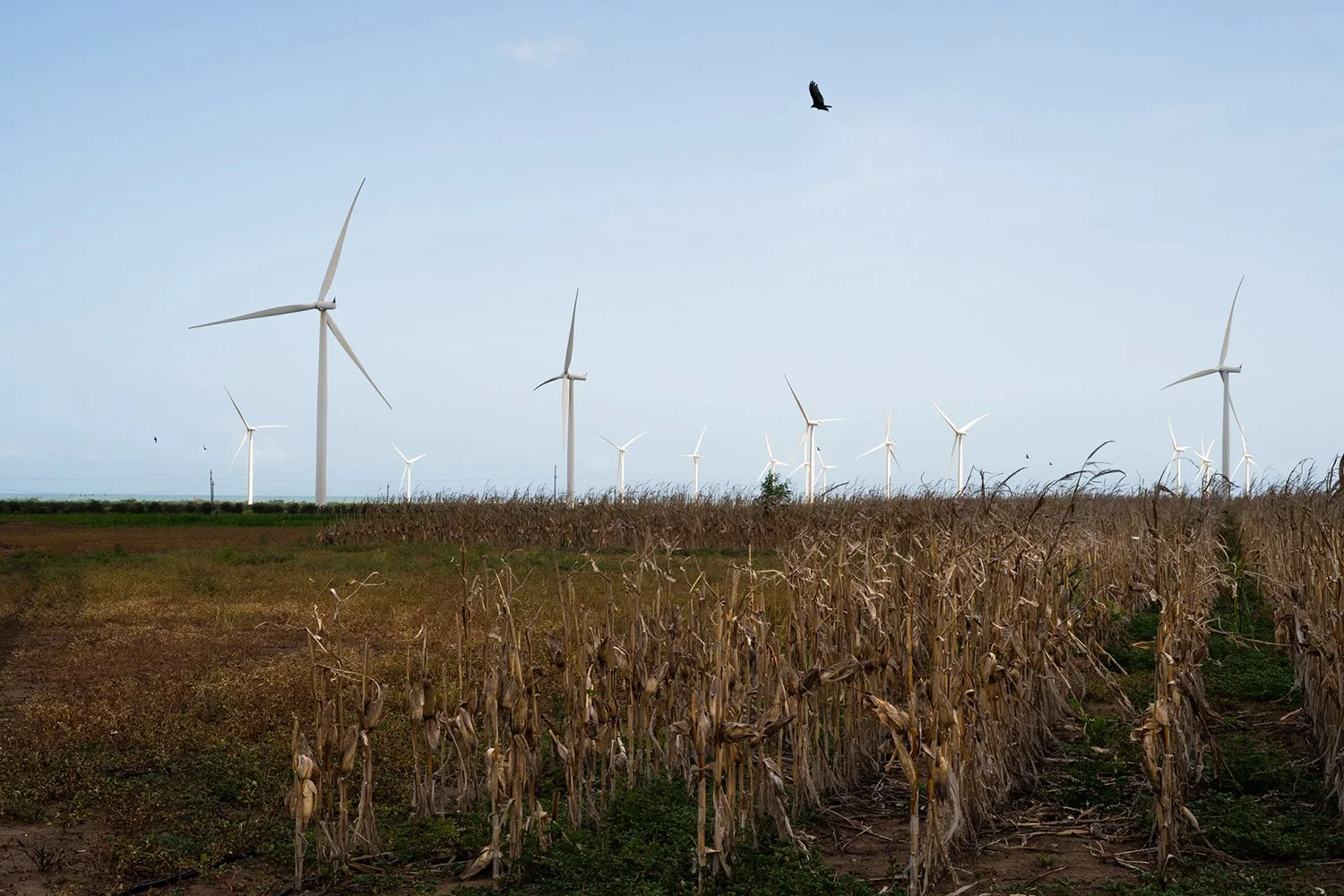
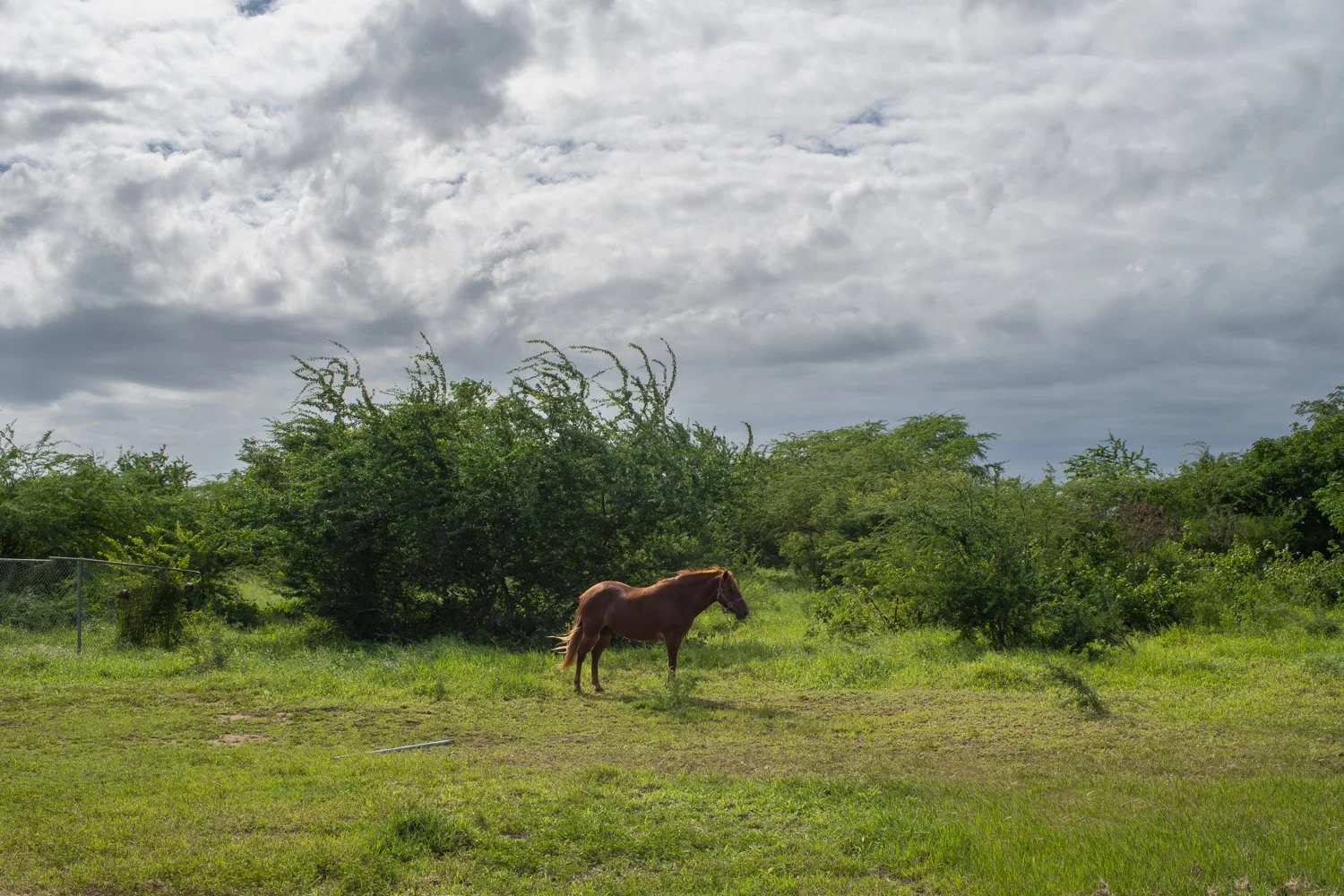
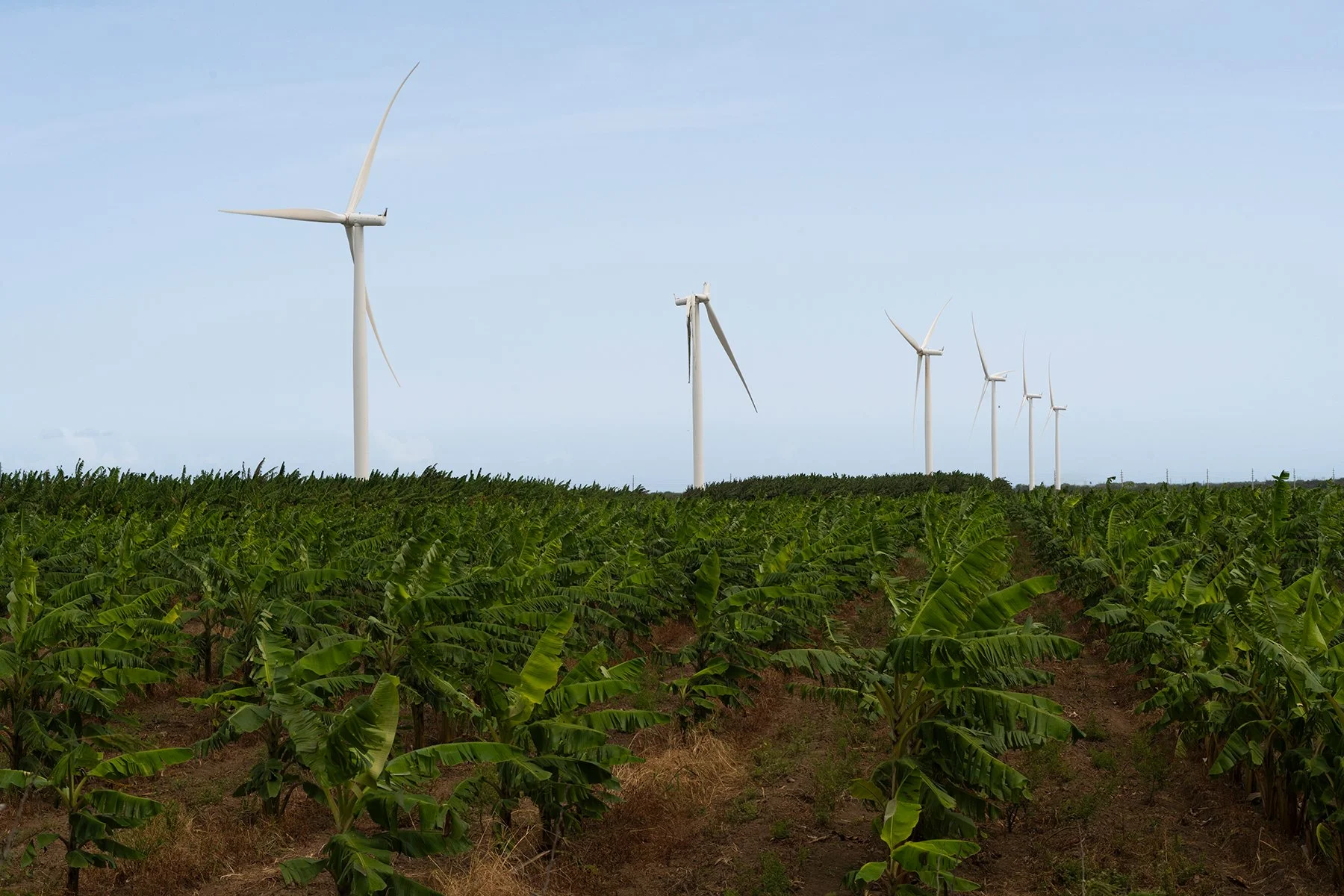
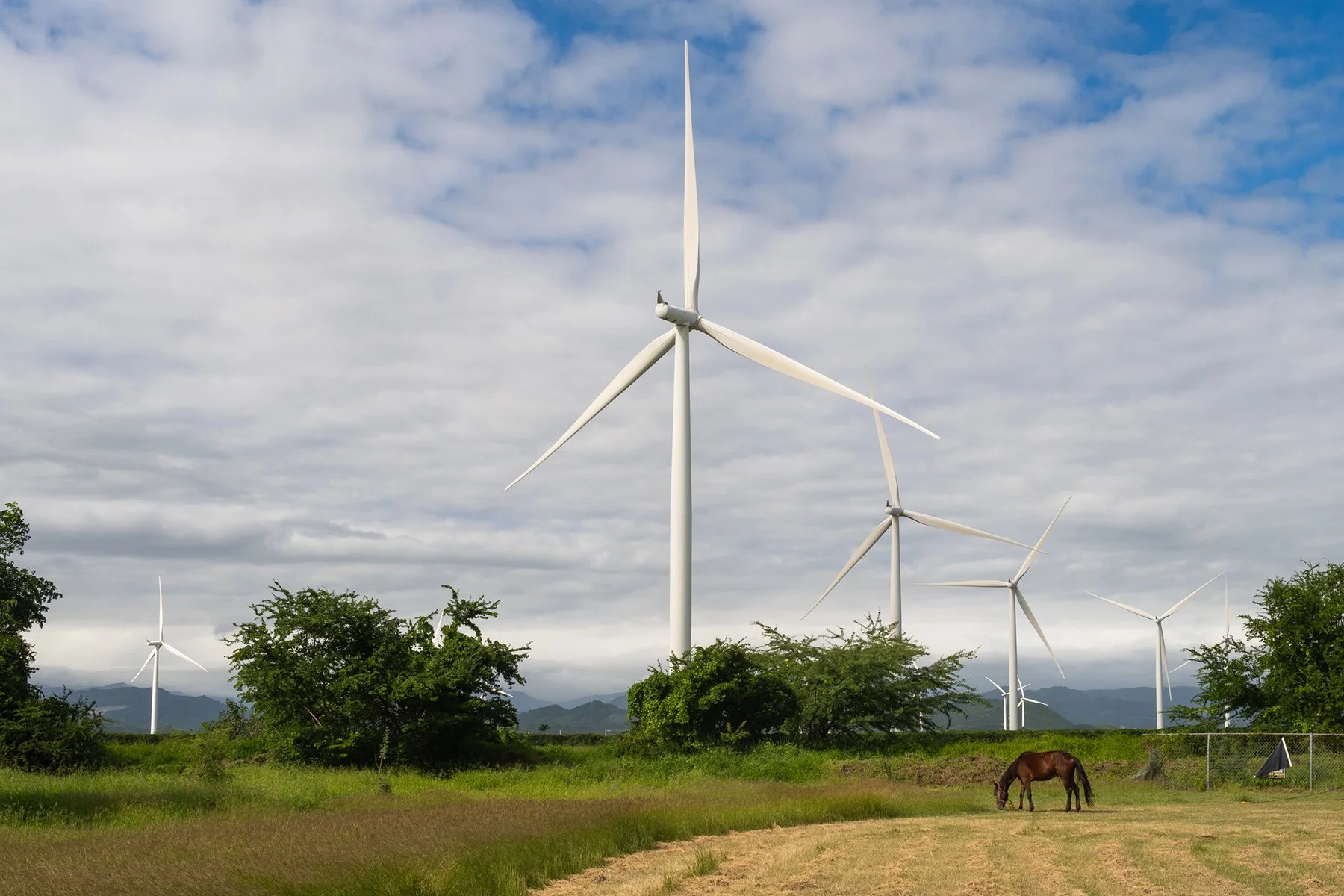
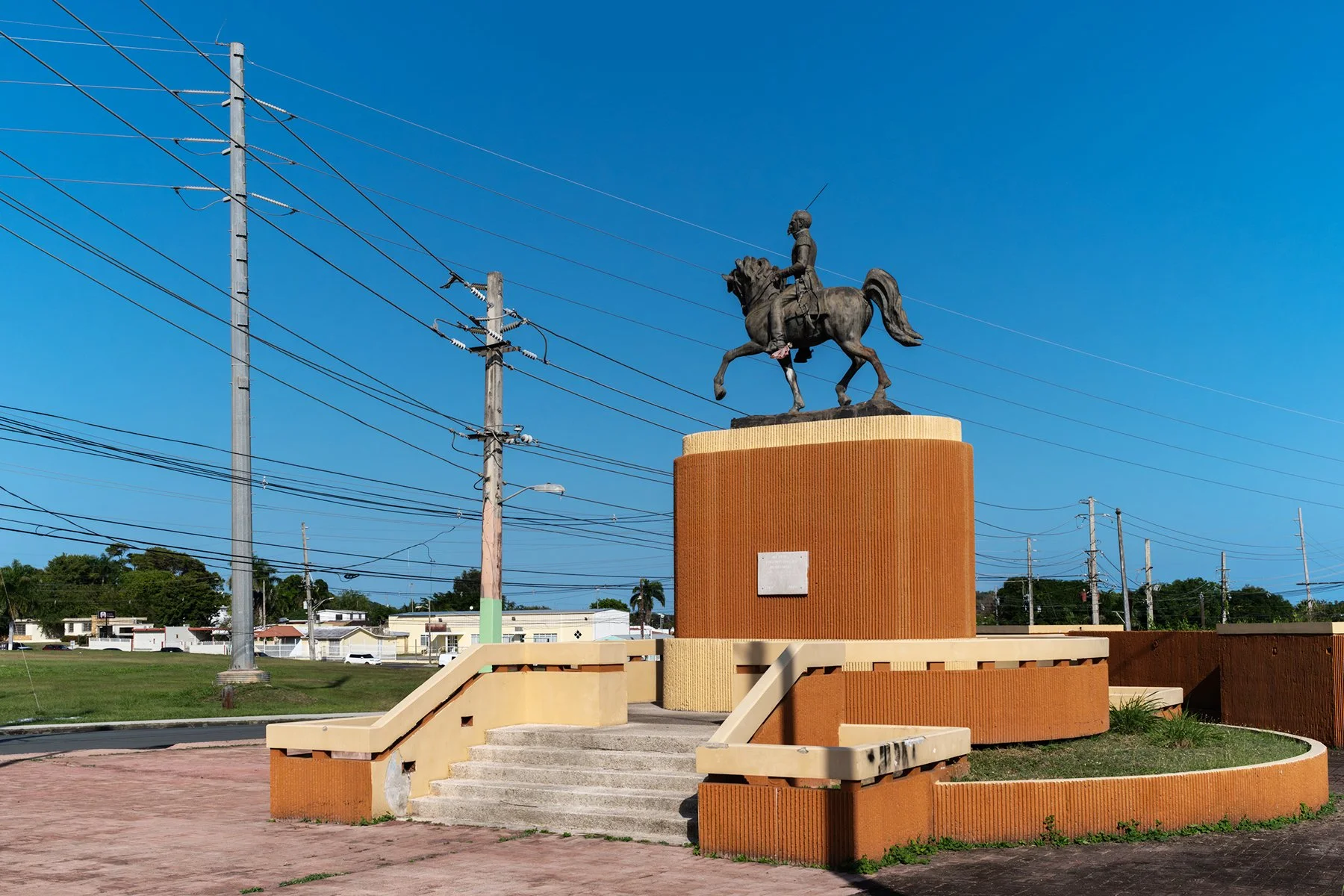
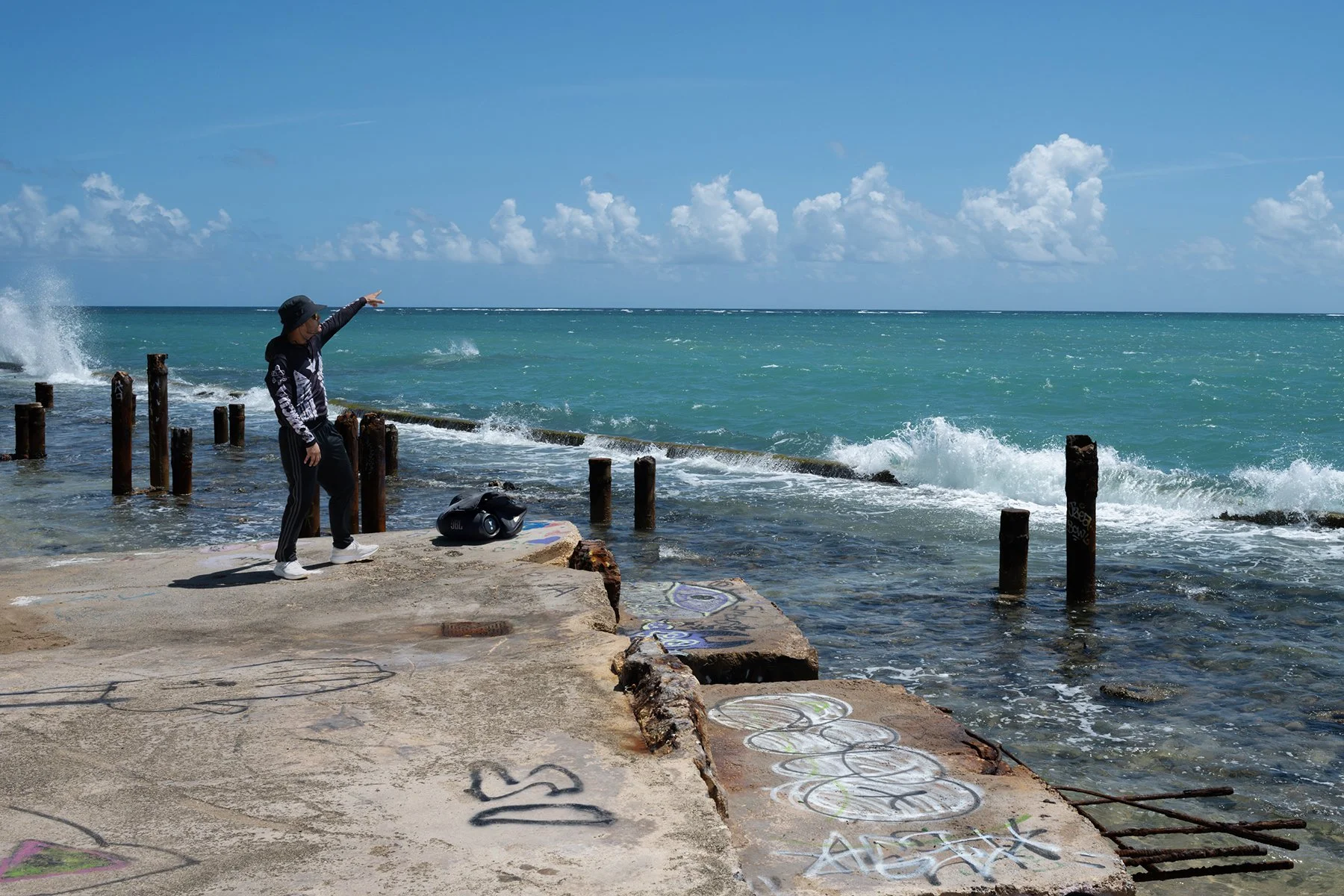
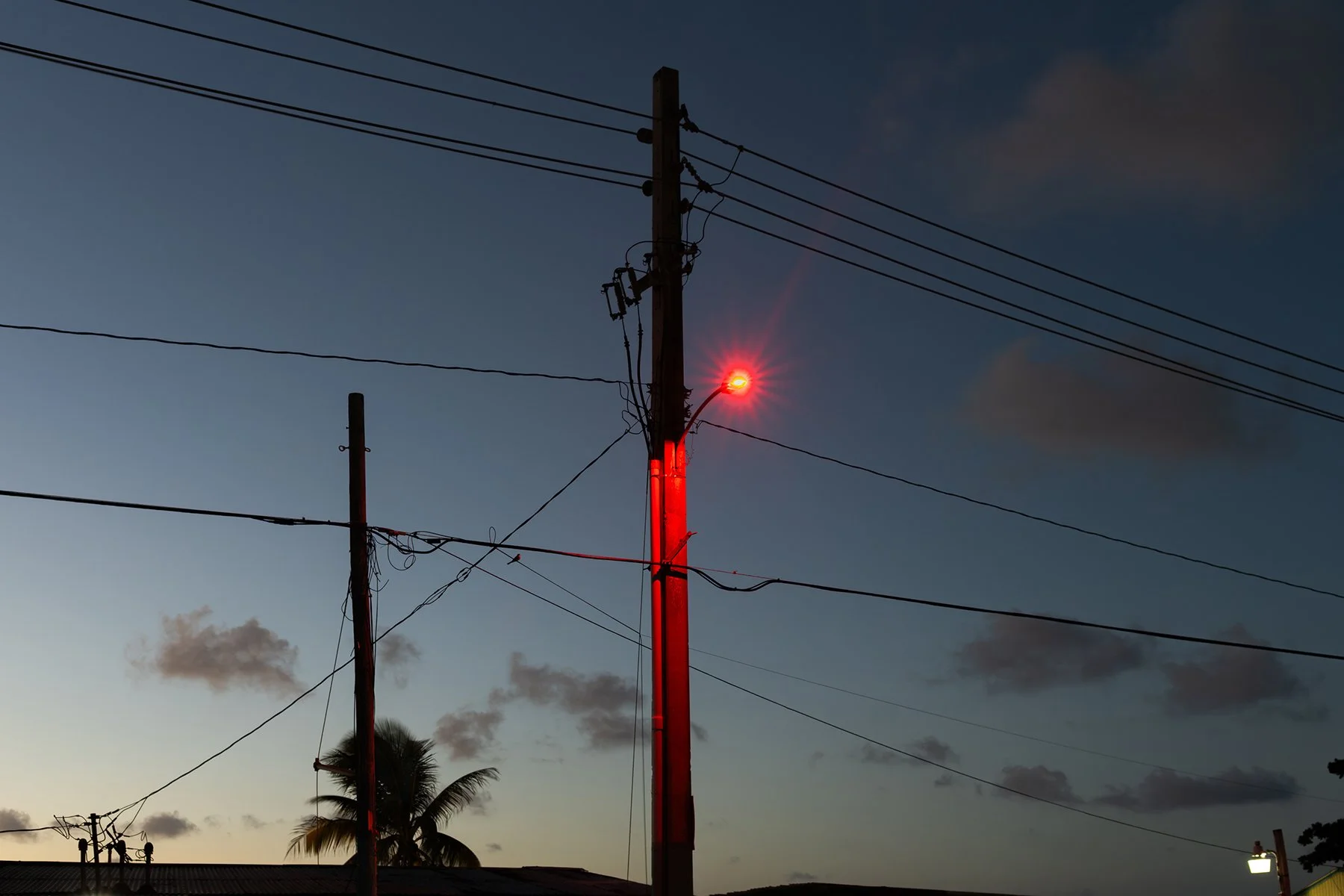
Electrificación is a photography series that explores life in Puerto Rico amid a failing electrical grid and deteriorating infrastructure, conditions worsened by repeated storms and unresolved damage. Instead of focusing on the dramatic aftermath of hurricanes or tropical storms, the work captures the quieter, ongoing effects of these challenges through images of land and sea, architecture, power systems, and the spaces people inhabit. The situation reflects a complex web of tourism, natural beauty, political instability as a territory, colonialism, capitalism, blackouts, storms, climate change, and local resilience.
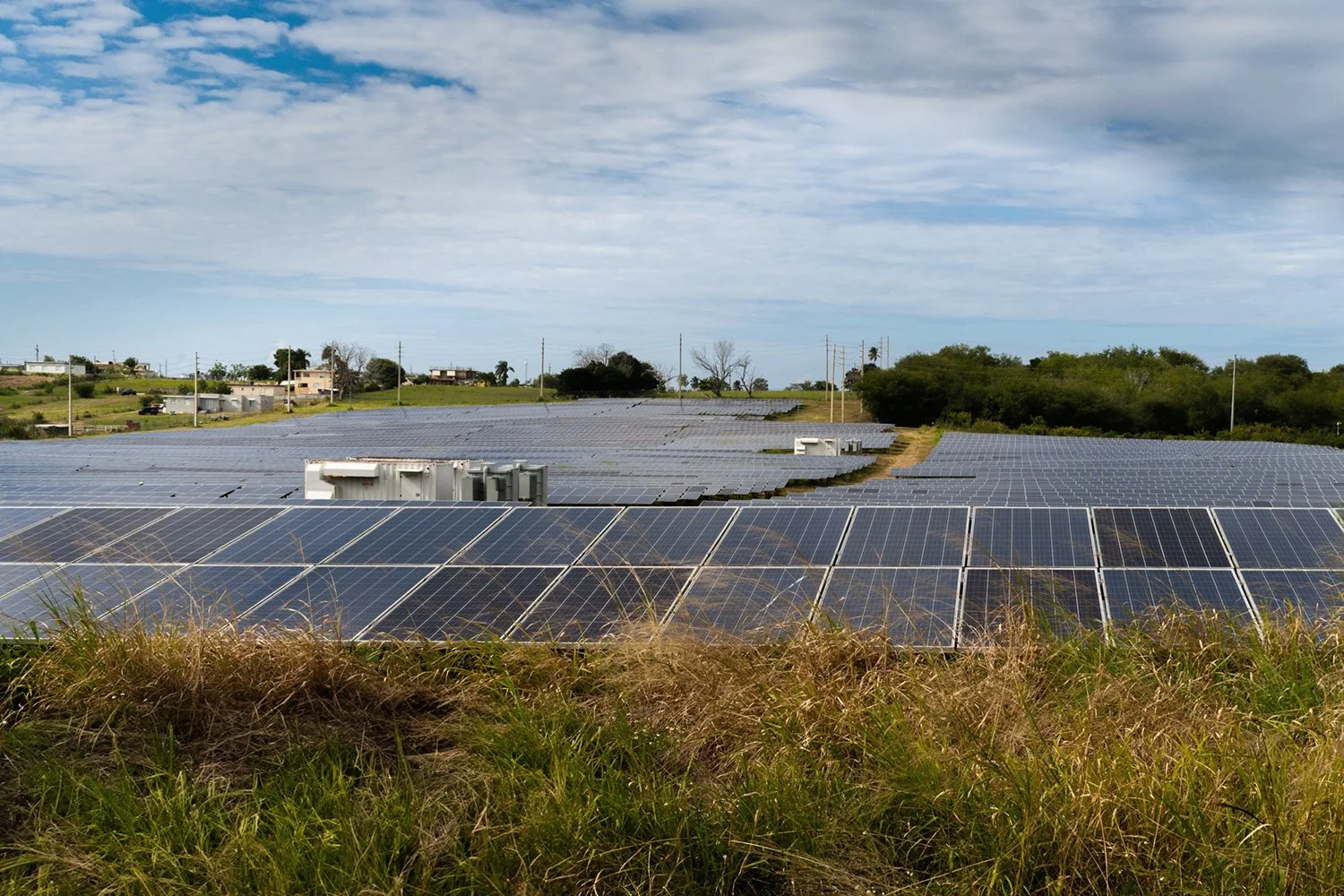
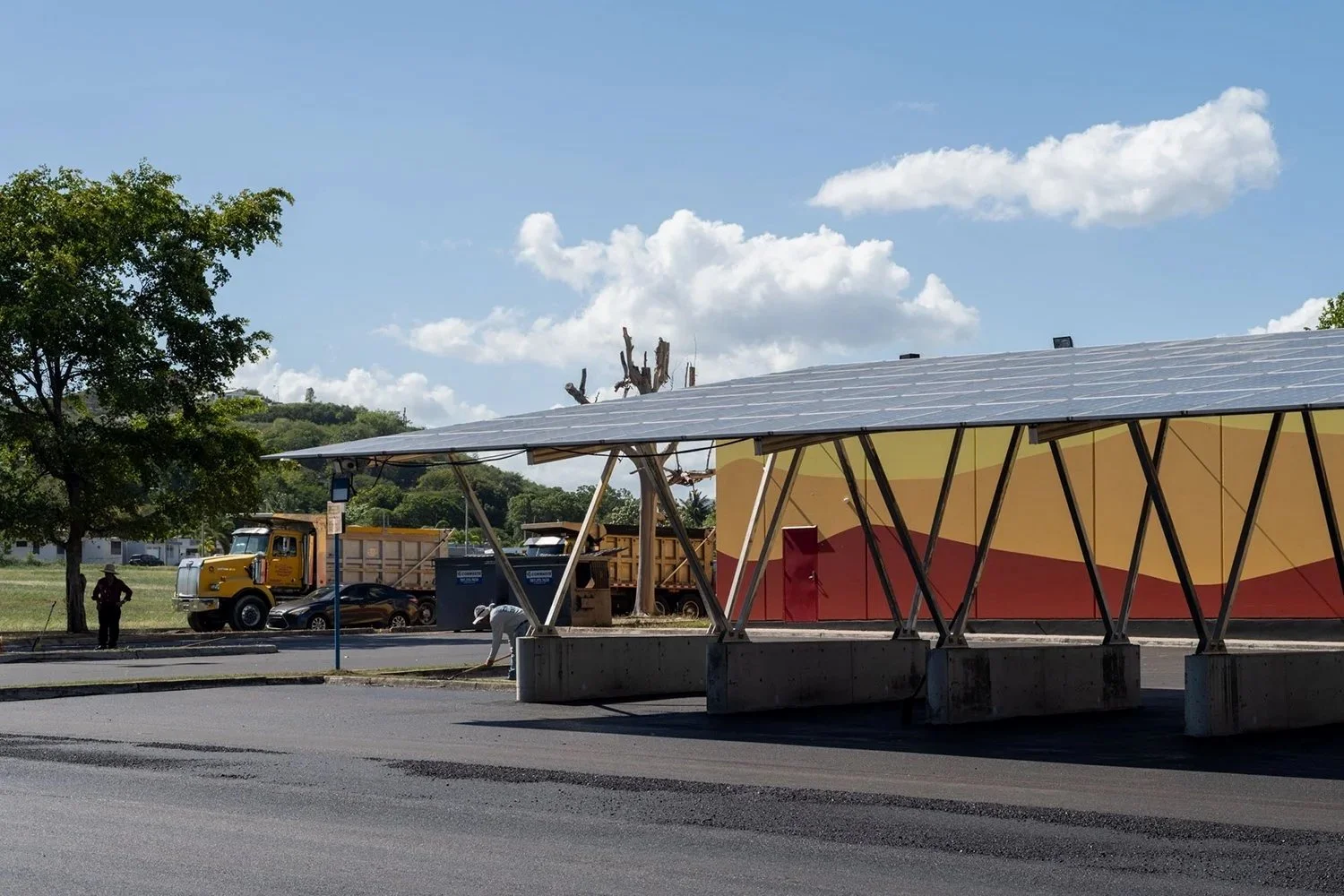
The images in Electrificación are interpretive rather than journalistic, exploring the small adjustments, developments and workarounds, and moments in-between storms with a fragile system. Additionally, this series investigates sites of power and electrification that suggest limitations in some cases as well as renewable alternatives moving forward. Electrificación reflects on the ways life continues in the face of an American system that doesn’t fully support Puerto Rico.
While centered on Puerto Rico, my series also speaks more broadly to global challenges. The archipelago stands on the front lines of climate change, illustrating the vulnerability of infrastructure at a time when FEMA is being defunded, storm tracking cut, clean energy incentives reduced, and extreme weather intensifies. As the climate crisis accelerates, the need for environmentally safe and dependable energy is essential to the survival and independence of Puerto Rico as well as the rest of the world.
Electrificación is a photography series that explores life in Puerto Rico amid a failing electrical grid and deteriorating infrastructure, conditions worsened by repeated storms and unresolved damage. Instead of focusing on the dramatic aftermath of hurricanes or tropical storms, the work captures the quieter, ongoing effects of these challenges through images of land and sea, architecture, power systems, and the spaces people inhabit. The situation reflects a complex web of tourism, natural beauty, political instability as a territory, colonialism, capitalism, blackouts, storms, climate change, and local resilience.
The images in Electrificación are interpretive rather than journalistic, exploring the small adjustments, developments and workarounds, and moments in-between storms with a fragile system. Additionally, this series investigates sites of power and electrification that suggest limitations in some cases as well as renewable alternatives moving forward. Electrificación reflects on the ways life continues in the face of an American system that doesn’t fully support Puerto Rico.
While centered on Puerto Rico, my series also speaks more broadly to global challenges. The archipelago stands on the front lines of climate change, illustrating the vulnerability of infrastructure at a time when FEMA is being defunded, storm tracking cut, clean energy incentives reduced, and extreme weather intensifies. As the climate crisis accelerates, the need for environmentally safe and dependable energy is essential to the survival and independence of Puerto Rico as well as the rest of the world.
Background
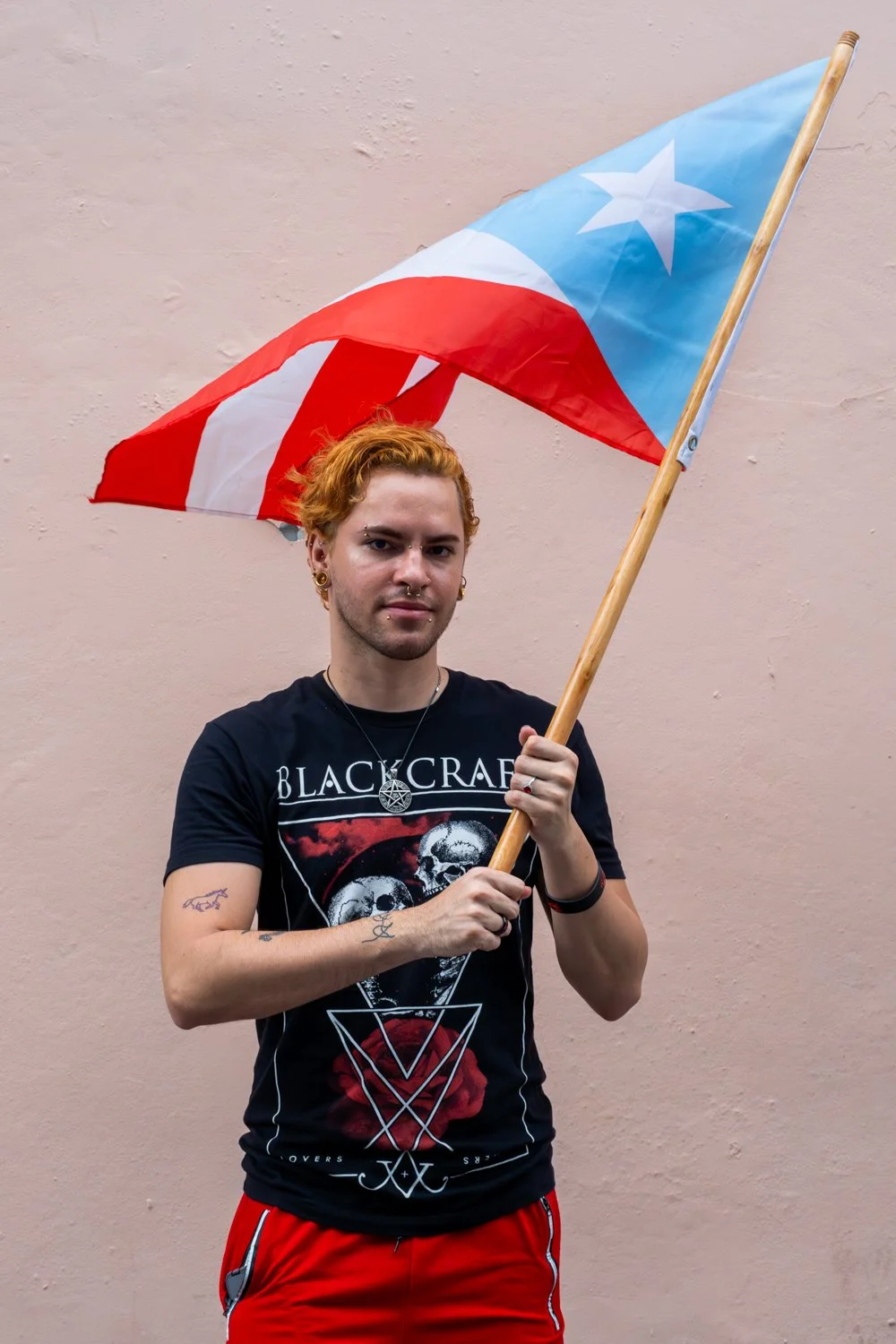
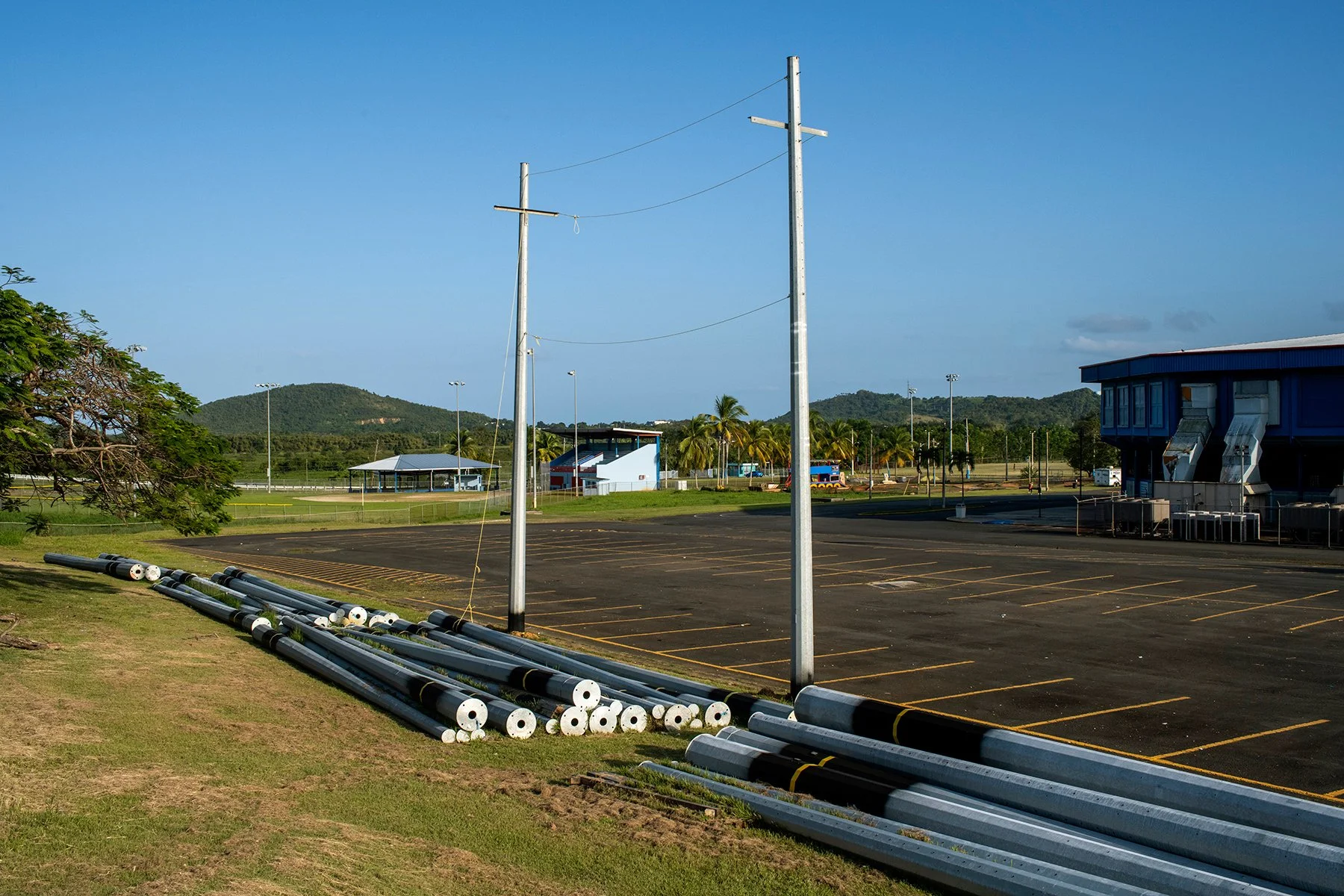
My partner worked for a company that focused on Puerto Rico’s transmission lines and related infrastructure. I routinely heard about the challenges and systemic dysfunction from both the corporate world and FEMA in attempts to help communities. Energy companies, formerly PREPA and now LUMA, understandably face deep mistrust due to past mismanagement and unreliable service. Recovery is also slowed by material shortages, unrealistic federal micromanagement, and the ongoing challenge of maintaining overgrown lines. Although some progress has been made by committed people, the damage from hurricanes Maria and Irma remains largely unresolved in relation to reliable power. There is no large scale back up system during blackouts. Full renewable electrification is not expected until 2050. Some communities have taken matters into their own hands.
www.danfarnum.com